Kosovo Plunged into Fresh Political Turmoil as Parliament Dissolved
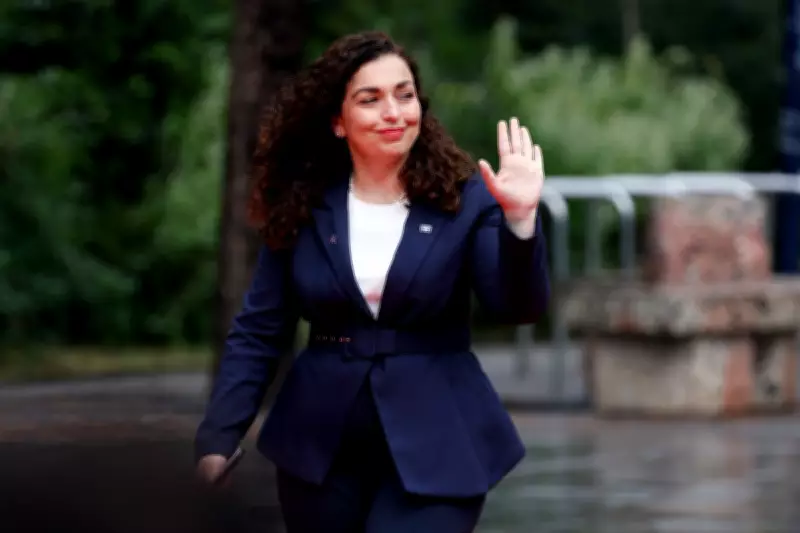
Europe's youngest nation, Kosovo, is facing its third parliamentary election in just over a year after President Vjosa Osmani officially dissolved the legislature and called for snap elections. This decisive move follows the failure of politicians to elect a new head of state within the strict constitutional deadline, plunging the Balkan country deeper into political uncertainty at a critical juncture.
Constitutional Deadline Missed Triggering Automatic Elections
Parliament had until midnight on Thursday to select a president before President Osmani's term concludes in April. However, opposition parties refused to participate in the crucial vote. Under Kosovo's specific legal framework, this boycott automatically triggers fresh parliamentary elections, creating yet another electoral cycle for the troubled nation.
This latest development extends what has become a protracted political deadlock in Kosovo. The country experienced no functioning government for much of 2025 due to a fractured parliament that proved unable to elect a speaker for months on end. The upcoming vote will represent the third election in approximately thirteen months, following a snap election held on 28 December after a previous poll failed to form a stable government.

President Osmani Calls for Stability Amid Political Chaos
President Vjosa Osmani addressed the nation, stating firmly: "A parliament that cannot elect a president cannot continue indefinitely to drag out the process as is being attempted." She emphasized the urgent need for political resolution, adding: "No one should wish for another political cycle, especially at this moment when the country needs stability." Osmani is scheduled to meet with political party leaders on Friday to determine the exact date for the new elections.
December Victory Fails to Break Political Impasse
A decisive victory for Prime Minister Albin Kurti's Vetevendosje party in the December elections had initially been viewed by many as a potential end to the political stalemate. At that time, numerous political analysts anticipated that opposition parties would participate in the subsequent presidential vote to ensure governmental continuity.
However, despite Vetevendosje securing enough parliamentary seats to form a government, the party failed to gain the necessary opposition support to elect a president. Opposition parties have consistently demanded a consensual candidate for the presidency, while Prime Minister Kurti has put forward his foreign minister, Glauk Konjufca, creating an irreconcilable deadlock.
Historical Context and Regional Tensions
Kosovo, a former Serbian province, declared independence in 2008 following the devastating 1998-99 war that concluded after a US-led NATO intervention. Serbia continues to refuse recognition of Kosovo's sovereignty, and regional tensions have simmered persistently ever since the declaration. This ongoing political instability further complicates Kosovo's aspirations to join the European Union, a key strategic goal for the young nation's future development and international integration.
The repeated electoral cycles and governmental paralysis raise serious concerns about Kosovo's democratic institutions and their capacity to provide stable governance. With President Osmani's term concluding in April and no successor in place, the constitutional crisis represents one of the most significant political challenges Kosovo has faced since its independence.