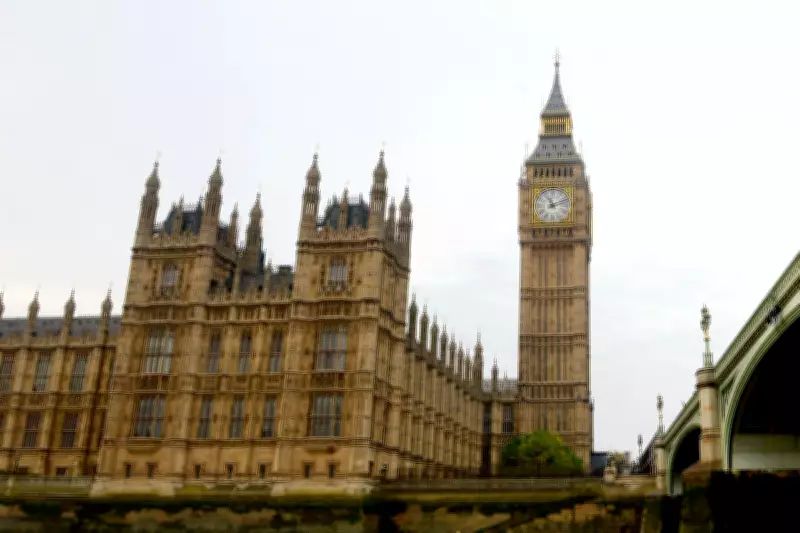
Commons Leader Sir Alan Campbell has officially announced that the King's Speech will take place on Wednesday, May 13, 2026. This ceremonial address, where the Government sets out its legislative agenda for the coming year, marks a pivotal moment in the parliamentary calendar. Sir Alan confirmed the date to MPs, highlighting that more than 50 Bills have been delivered since Labour assumed office in July 2024.
Prorogation and Parliamentary Session Details
A specific date for the prorogation of Parliament, which will conclude the current session ahead of the King's Speech, has not yet been set. Sir Alan indicated that this timing will be confirmed in due course, with the prorogation period used for logistical and security preparations for the state opening of Parliament. The current parliamentary session, lasting approximately 22 months, is notably longer than the typical one-year duration, a common occurrence following general elections.
Legislative Progress and Challenges
During this session, the Government has advanced over 50 Bills, focusing on key areas such as improving renters' rights, reforming planning laws to expedite new home delivery, bringing railways into public ownership, and strengthening employment rights. Sir Alan emphasised that these efforts deliver on promised changes and will continue into the next session. However, Bills that do not pass through both the Commons and Lords before the session ends will not become law unless special arrangements are made, requiring them to restart the legislative process.

Assisted Dying Bill Under Scrutiny
Concerns have been raised regarding the potential fall of the assisted dying legislation, currently progressing through the Lords. The Terminally Ill Adults (End of Life) Bill would permit adults with terminal illnesses in England and Wales, who have less than six months to live, to apply for an assisted death. Supporters accuse some peers of attempting to "talk out" the draft law, while opponents argue they are merely scrutinising legislation they deem unsafe in its current form.
Labour former minister Lord Falconer, the Bill's sponsor in the Lords, has expressed confidence in its progression by invoking a rare parliamentary procedure. The Parliament Act allows Bills backed by the Commons in two successive sessions, but rejected by peers, to pass into law without Lords approval. Historically, only seven Bills, including the Hunting Act 2004, have overridden the Lords using these powers.
Political Context and Timing
The King's Speech follows closely after local elections on May 7, 2026, involving voters in Wales, Scotland, and parts of England. These elections represent a critical test for Sir Keir Starmer's leadership. Reports suggest that No 10 strategists hope the quick turnaround to the King's Speech will help shift focus from any challenging election results, allowing the Government to advance its legislative priorities and maintain momentum in the political landscape.