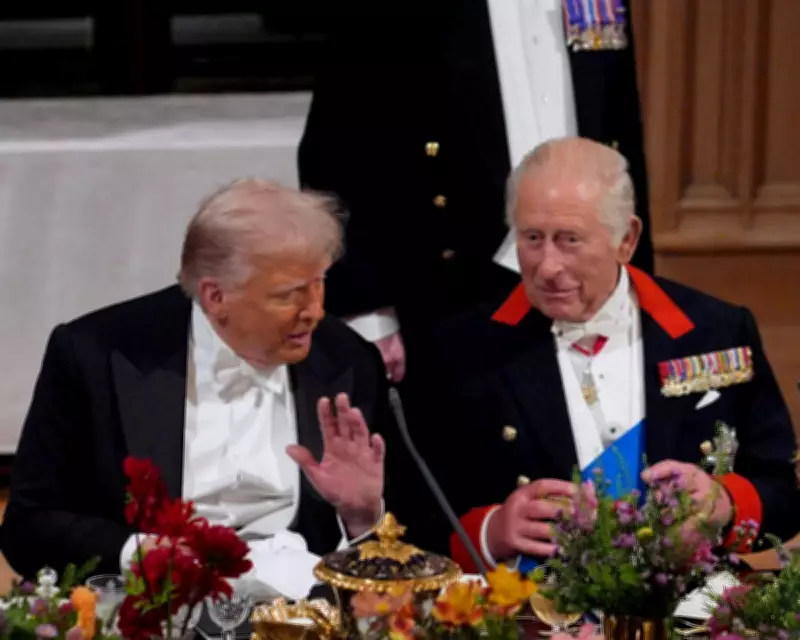
King Charles' US State Visit Should Proceed Despite Trump's Iran War Aggression
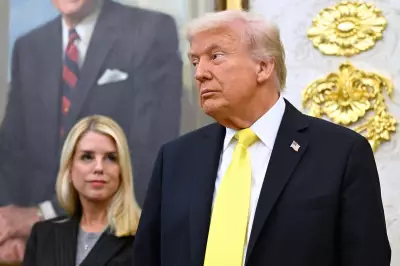
The proposed state visit of King Charles to the United States next month has ignited a fierce debate, with powerful arguments on both sides. America, under President Donald Trump, is currently waging an unprovoked war against Iran that has already claimed over 1,000 innocent lives. The collateral damage to the global economy, including Britain's, is becoming astronomical. Trump has further strained relations by insulting Britain's prime minister as a "loser" and "no Winston Churchill" for refusing to join the conflict. Should the monarch honour such a man by attending a Washington banquet?
The Case for Cancellation and Public Opinion
The call is undeniably close. The occasion marks the 250th anniversary of the United States' founding with the declaration of independence, which merits celebration. However, British public opinion is emphatically opposed to the US war on Iran. Recent polling indicates that many more Britons believe the royal visit should be abandoned (46%) than think it should proceed (36%), with 18% undecided. Just as the war appears staged by Trump for personal political gain, he can be expected to exploit a royal visit for similar purposes.
Downing Street's refusal to confirm the visit suggests an understandable indecision. As with energy markets, the decision may hinge on how long the war continues. Leaving the question open might add pressure on Trump for an early ceasefire. Yet, from the outset, the war's course seems dictated by Israeli Prime Minister Benjamin Netanyahu, a dynamic that persists.

The Constitutional Role of the Monarch
What is certain is that cancellation would deliver a severe blow to Anglo-American relations. The king is not the head of Britain's government, nor does he represent the British people, who never elected him. Academic texts on his status, from Walter Bagehot to Vernon Bogdanor, read more like theological tracts than practical guides. The monarch contrives "to embody" the British state in a fashion that continues to puzzle and sometimes fascinate Americans.
The king is the dignified rather than efficient arm of the constitution, meaning his opinions are as irrelevant to public policy as his compulsory Protestant faith. The executive authority of the Crown is semantic. Parliament alone is sovereign, a fact established since the Bill of Rights of 1689. This merely adds to Prime Minister Keir Starmer's dilemma. Cancellation might appear prompted by domestic politics and would compound the bad taste left by Trump's censored second state visit last year, when he could not even show his face in London.
Elevating the Visit Above Current Events
Not allowing the visit to proceed would be a mistake. Far better would be to elevate it well above the level of current events. Attention should rise above daily political disputes. Instead, the bonds of finance, science, education, culture, and even matrimony that have long joined our nations should be honoured. Trump, a son of Scotland, serves as a case in point.
At the Peace of Paris in 1783, which secured American independence, a French delegate commented on how generous the defeated British had been to the Americans. A British delegate reportedly replied with a smile, "Yes sir, and they will all speak English; every one of 'em." That answer has secured a closeness between Britons and Americans that has endured over the centuries. It is a closeness this visit should celebrate.
Potential Discussions and Diplomatic Nuance
As for what the king might discuss with Trump – not to mention Queen Camilla with Melania – that may be left to conjecture. With Iran and Jeffrey Epstein off limits, perhaps they can turn to revivalist architecture, onshore wind turbines, and the latest Oscars. Charles has never been shy of political conversation, but he is also the master of small talk. Trump may yet test his minimalism.
Now is an occasion for the British nation to present itself as respecting the American people in their handling of a president who appears uncertain where he is leading them. That may require sympathy rather than criticism. The United States has embarked on a terrible aggression, a fact that cannot be sidestepped. But a state visit is a bonding of nations, not governments; of cultures, not commentators.

The Virtue of Hereditary Monarchy
The eternal weakness of the American presidency is that it must embody the union of states in one nation yet do so through the medium of partisan politics. Time and again, the stature required of a president – self-styled leader of the western world – is tarnished by polarisation and short-term gain.
Separating headship of state from daily politics is a virtue of hereditary monarchy. Now is its time. Charles will present that headship as holding a dignity above the political round. The American people would likely respect him as such. That is precisely why the visit should go ahead, reinforcing enduring ties despite transient conflicts.