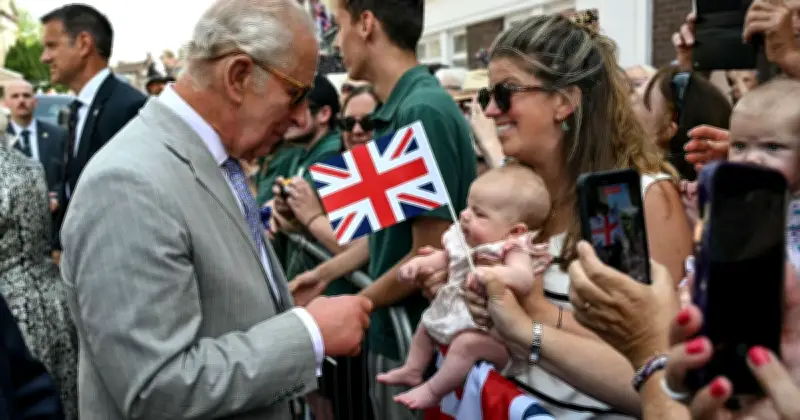
King Charles is expected to appoint Britain's next prime minister before departing for his summer holiday at Balmoral, fulfilling one of the most significant constitutional responsibilities of his reign. According to Hello! magazine's royal editor, Emily Nash, the monarch has "one final piece of business that cannot wait" before his break officially begins.
Constitutional Duty Amid Political Change
Under the UK's constitutional system, the monarch formally invites the politician best placed to command a majority in the House of Commons to form a government. While largely ceremonial, the audience at Buckingham Palace remains one of the King's most important duties. This appointment would mark another milestone in an unusually turbulent political period.
Since ascending the throne in September 2022, Charles has already worked with multiple prime ministers. He inherited Liz Truss from Queen Elizabeth II's reign, then appointed Rishi Sunak, and later invited Sir Keir Starmer to form a government after Labour's election victory in July 2024. Labour politician Andy Burnham is expected to become the fourth prime minister to serve during Charles' reign, despite the King having been on the throne for less than four years.
Comparison with Queen Elizabeth II
By comparison, Queen Elizabeth II worked with 15 prime ministers during her historic 70-year reign. Nash noted that, at the current rate, Charles could surpass his late mother's total by 2037 if political turnover continues. The King's constitutional duty comes after what has been described as a particularly demanding period for him.
Demanding Year for the Monarch
Alongside continuing treatment following his cancer diagnosis, Charles has maintained a busy programme of public engagements while navigating international events, domestic political developments, and ongoing challenges within the Royal Family. Despite scaling back some overseas travel following medical advice, the King has continued to undertake state visits, host world leaders, and carry out key ceremonial engagements throughout the year.
Summer Retreat to Balmoral
His annual summer retreat to Balmoral in Aberdeenshire traditionally offers the monarch a rare opportunity to step away from public duties, although he continues to receive government papers and undertake official business while in Scotland. The King's stay at the Scottish estate has long been regarded as one of the highlights of the royal calendar, with members of the Royal Family often joining him during the late summer weeks.
Before any downtime begins, however, Charles is expected to complete this final constitutional responsibility, underscoring that, even during the busiest of years, the role of monarch never truly pauses.