Judge Permits Democratic Lawmaker to Participate in Kennedy Center Board Meeting
A federal judge has ruled that Democratic lawmaker Joyce Beatty, an Ohio representative, is entitled to participate in a board meeting concerning former President Donald Trump's proposal to close the John F. Kennedy Memorial Center for the Performing Arts for two years of renovations. The decision, handed down on Saturday, allows Beatty to access documents and speak at the meeting, scheduled for Monday, but does not grant her voting rights.
Legal Battle Over Board Participation
Beatty, who serves as an ex officio member of the Kennedy Center board through her congressional position, filed a lawsuit to prevent the Trump administration from excluding her from the critical session. The board is expected to decide whether to approve Trump's plan to shutter the center during the construction project, which has sparked controversy and legal challenges.
US District Judge Christopher Cooper concluded that the board must provide Beatty with documents related to the closure and renovation plans. Withholding this information before the vote would impede her ability to fulfill her duties as a trustee, he stated. Additionally, Cooper ruled that Beatty must be allowed to speak at the meeting, ensuring her voice is heard in the deliberations.

"The Court finds, however, that Beatty has not carried her burden as to her right to vote, at least at this very early stage," Cooper said. He emphasized that allowing her to participate and engage in discussions means "the marginal harm to her from not voting is much less, as she will be able to lodge her objections on the record and have the opportunity to persuade her colleagues of her position."
Response from Kennedy Center and Beatty
Kennedy Center spokesperson Roma Daravi responded to the ruling, stating that the center "will abide by the court's ruling and is happy to provide information demonstrating the need for closure and renovations." There was no immediate comment from Beatty regarding the decision.
After arguments were heard on Thursday, Beatty spoke to reporters outside the courthouse, explaining her motivation for taking legal action. "I want to know where your money – our money – is going," she said, emphasizing her commitment to upholding the rule of law and democracy. Her lawyer, Nathaniel Zelinsky, argued that the White House has attempted to stifle dissent at similar meetings, calling the administration's actions a deviation from normal procedures.
Trump's Involvement and Board Changes
Donald Trump, who paid little attention to the Kennedy Center during his first term, has shown increased interest since returning to office in January 2025. He has appointed loyal supporters, such as former Attorney General Pam Bondi and longtime aide Dan Scavino, to the board, replacing members he did not appoint. The reconstituted board subsequently elected Trump as chair.
Trump has secured $257 million from Congress for the Kennedy Center through a tax cut and spending bill signed last summer. He has also criticized the building's appearance and announced plans to close it for renovations starting on 4 July, pending board approval. Recent changes include the removal of Richard Grenell, an ally Trump appointed as the center's president, who will be succeeded by Matt Floca, the current facilities operations manager.
Controversies and Declining Fortunes
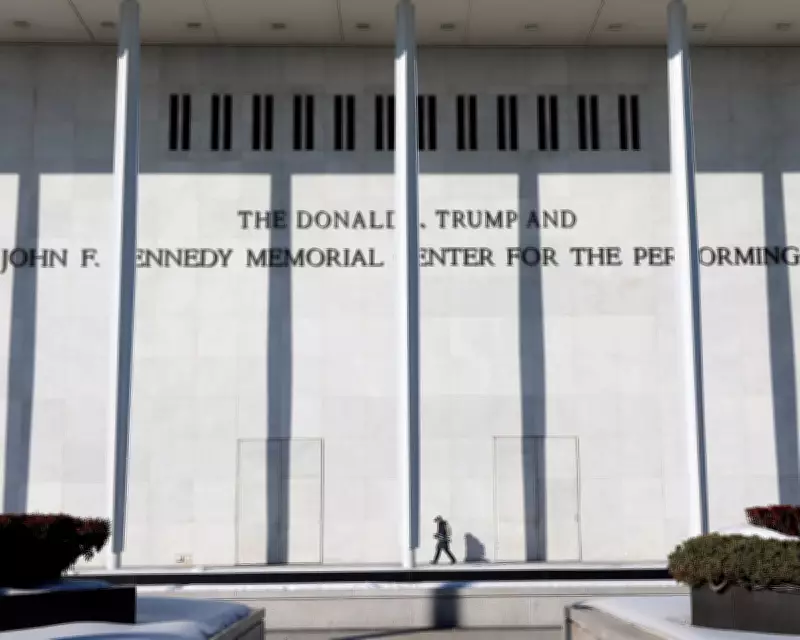
The Kennedy Center has faced challenges since Trump intensified his involvement. Numerous artists have canceled performances, and attendance has declined. In December, the board voted to add Trump's name to the building's exterior alongside Kennedy's, a move that drew outrage from some Kennedy family members. The decision was implemented the following day, further fueling debates over the center's direction and legacy.
As the board prepares for Monday's meeting, the ruling ensures Beatty's participation in discussions that could shape the future of this iconic performing arts venue. The outcome of the vote will determine whether the center closes for extensive renovations, a proposal that continues to divide stakeholders and the public alike.