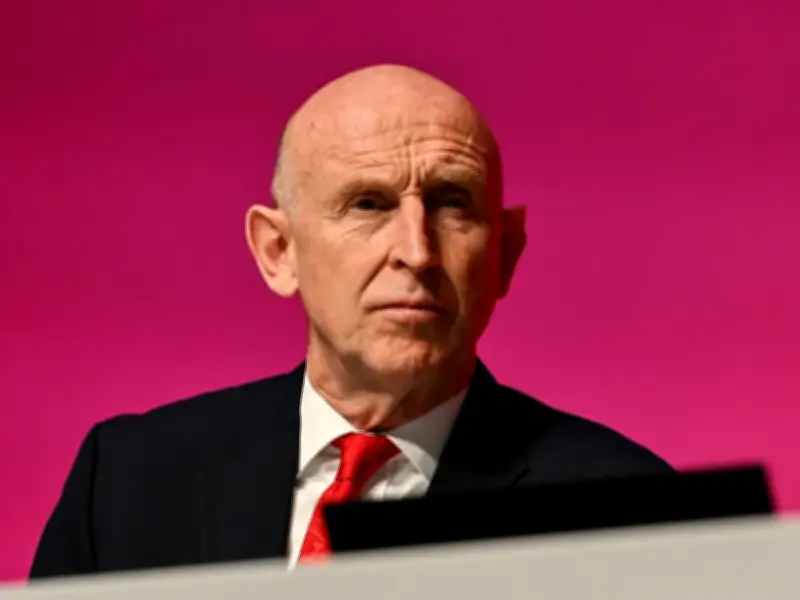
Chancellor John Healey will present his first Budget next Wednesday, addressing the cost of living crisis while new Prime Minister Andy Burnham has promised to bring "hope" back to Britain. The Chancellor is expected to announce measures on bank taxation, energy bill support, and closing a VAT loophole for online retailers, while ruling out increases to income tax, national insurance, and VAT.
Bank Tax and Energy Bill Support
Mr Healey plans to increase taxes on the banking sector, with the four largest banks collectively earning about £15 billion in profit in the first half of this year. Options include reversing a reduction in the surcharge on corporation tax from 8% to 3%, or raising the bank levy, a small percentage charged on loans. The Institute for Public Policy Research has recommended generating £1 billion from a temporary surcharge on commercial banks' windfall profits.
On energy bills, the Prime Minister has already cut VAT on household electricity from 5% to zero, saving a typical household £45 a year. With bills expected to rise early next year, support could include boosting the Warm Home Discount, a £150 reduction for around six million households, with an additional £100. Energy Secretary Miatta Fahnbulleh told Energy UK's annual conference: "We know we need to do our part to give people a little more breathing space."
Online Retailer VAT and Fuel Duty
The Budget is expected to close a loophole forcing online giants like Amazon and eBay to collect VAT from foreign sellers, raising £1 billion to cut business rates for high street shops. Websites would collect VAT from retailers with a turnover over £90,000 a year, regardless of location. With oil prices soaring due to the US war with Iran, Mr Healey could freeze fuel duty, following previous increases of 3p and 2p per litre. The Road Haulage Association has called for a 15p per litre rebate for essential users like HGV and coach drivers.
Mansion Tax and Capital Gains
The Chancellor has considered expanding the mansion tax on properties worth over £2 million, with an annual levy of £2,500 to £7,500 from April 2028. Lowering the threshold to £1.5 million would draw an extra 200,000 homes into scope, though Labour MPs believe these plans have been dropped. Mr Healey has ruled out a capital gains tax hike, despite calls from cabinet ministers Wes Streeting and Louise Haigh, after being warned it could cost the Government money if wealthy individuals leave or defer asset sales.