Jersey Approves Assisted Dying Law Amid Concerns Over Whitehall Delays
Jersey Approves Assisted Dying Law Amid Whitehall Delay Concerns

Jersey Approves Assisted Dying Legislation as Whitehall Delays Raise Concerns

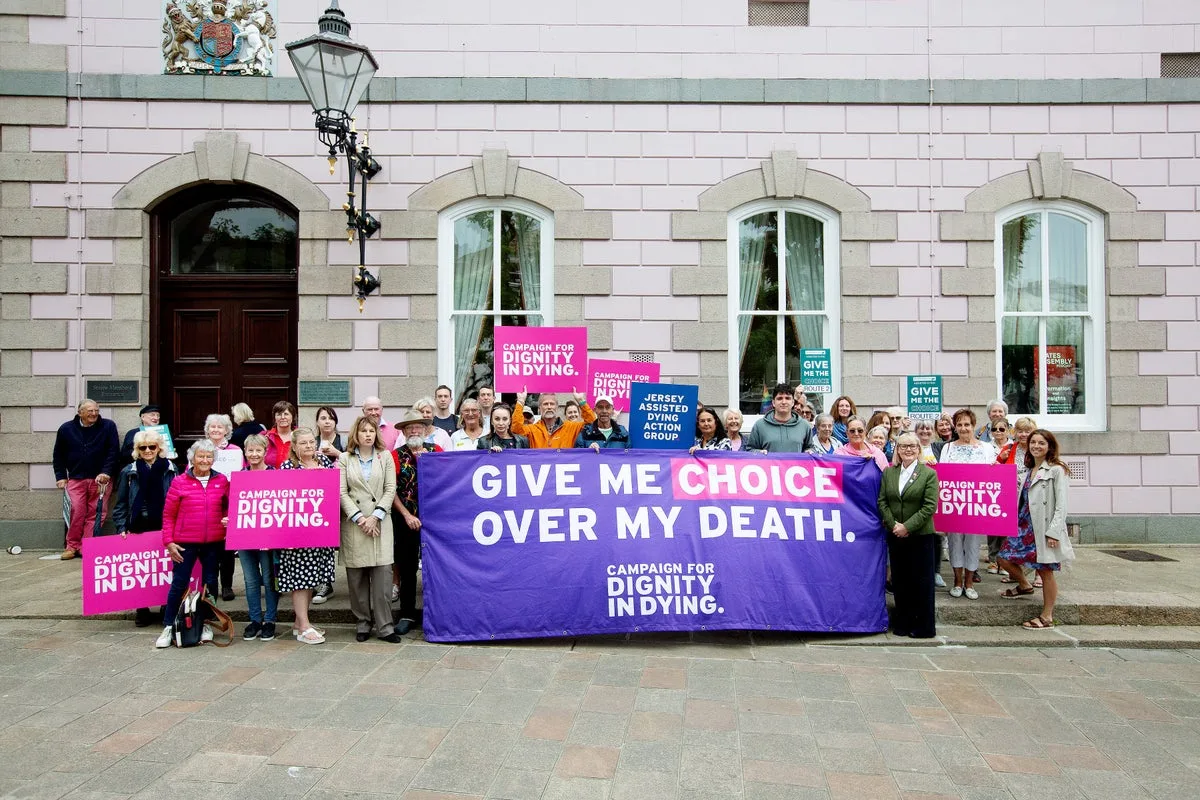
Jersey has become the second jurisdiction within the British Isles to approve legislation for assisted dying, following a landmark vote in its States Assembly. The draft Assisted Dying Law was passed on Thursday, marking a crucial step before it proceeds for royal assent to formally become law. This development comes after the Isle of Man's Tynwald became the first parliament in the British Isles to agree a framework for assisted dying in March last year.

Constitutional Delays and Royal Assent Process

However, significant concerns have been raised about the lengthy wait for the Isle of Man Bill to be granted royal assent by Whitehall, highlighting potential delays in implementing similar legislation across Crown Dependencies. As Crown Dependencies, primary legislation on both the Isle of Man and Jersey requires royal assent to formally become law, with the Lord Chancellor – currently David Lammy – responsible for making the necessary recommendation.

Analysis by the Press Association reveals that the process to get assisted dying on the Isle of Man's statute book has taken almost four times longer than other Bills on the island. After 338 days, the UK Ministry of Justice has yet to process the legislation for royal assent. A freedom of information request shows that since the start of 2020, the Ministry of Justice took an average of 88 days to process Isle of Man legislation.

Jersey's Legislative Details and Eligibility Criteria

Jersey's parliament initially voted in May 2024 in favour of drawing up laws for an assisted dying service. After three days of debate, the law was approved with 32 States Assembly members voting in favour and 16 against. Under the legislation, eligibility for an assisted death requires someone to have been resident in Jersey for at least 12 months, to have a voluntary, settled and informed wish to end their own life, and to be terminally ill with a life expectancy of six months, or 12 months if they have a neurodegenerative disease.

Notably, the Jersey legislation differs from the Bill being considered at Westminster by allowing a doctor or registered nurse to administer the lethal drugs, rather than requiring the terminally ill adult to take an approved substance themselves.

Implementation Timelines and Constitutional Concerns

Campaigners in favour of legalising assisted dying hope a service can be in place in Jersey by the end of summer 2027. However, Dr Alex Allinson, who is behind the Isle of Man's legislation, has expressed concern at the lengthy delay his Bill has faced in gaining royal assent. He cautioned that after royal assent, "a lot of work" is still needed before a service is operational, including setting up support systems for patients, families and medical staff.

During debate in Jersey's States Assembly, attorney general Matthew Jowitt said he would be "astonished" if the assisted dying draft law was not given royal assent should it clear his island's parliament. After the Isle of Man delay was raised, he told the Assembly: "If it didn't, we would be facing a constitutional difficulty of some magnitude." He described the "constitutional relationship" Jersey has as a Crown Dependency as "something of a ballet, and it requires all of us to avoid stepping on each other's toes."

Broader Legislative Context Across the UK

The Terminally Ill Adults (End of Life) Bill, which would apply to England and Wales, continues to undergo scrutiny in the House of Lords. Supporters have accused some opponents of trying to "talk out" the contentious legislation, though many peers insist they are simply doing their job of scrutinising a Bill they argue is not safe in its current form.

Lord Falconer, the Labour former minister sponsoring the Bill in the upper chamber, told the Press Association that peers' attempts to filibuster are "not the end of the road" for the draft law because of plans to invoke the Parliament Act. He noted: "The Lords prides itself on focusing on the things that matter and that most certainly is not what's been going on here. So the tragedy is that a small number of people in the Lords are blocking a Bill that has passed in the Commons."

Meanwhile, Welsh lawmakers in the Senedd voted on Tuesday to give their legislative consent for the UK Parliament to pass the Bill, and the Assisted Dying for Terminally Ill Adults (Scotland) Bill is expected to be voted on at Holyrood in March.

Government Response and Future Implications

A UK Government spokesperson stated that the length of processing time "depends on the complexities and sensitivities of a Bill, as well as any legal and constitutional issues." There is no target time for Whitehall to process legislation approved in Douglas, which Dr Allinson described as "interesting." The GP and independent member of the House of Keys insisted that Whitehall had not raised questions "fundamental to the principles behind the Bill," and maintained it "really is a matter of royal assent being granted so that we can get on with the significant amount of additional consultation we will need to do to bring it into implementation."

An Isle of Man Government spokesperson confirmed that the law "will not be commenced until all required secondary legislation and the code of practice have been developed, consulted upon and approved by Tynwald." It is thought the implementation period for an assisted dying service could be up to two years after royal assent.




