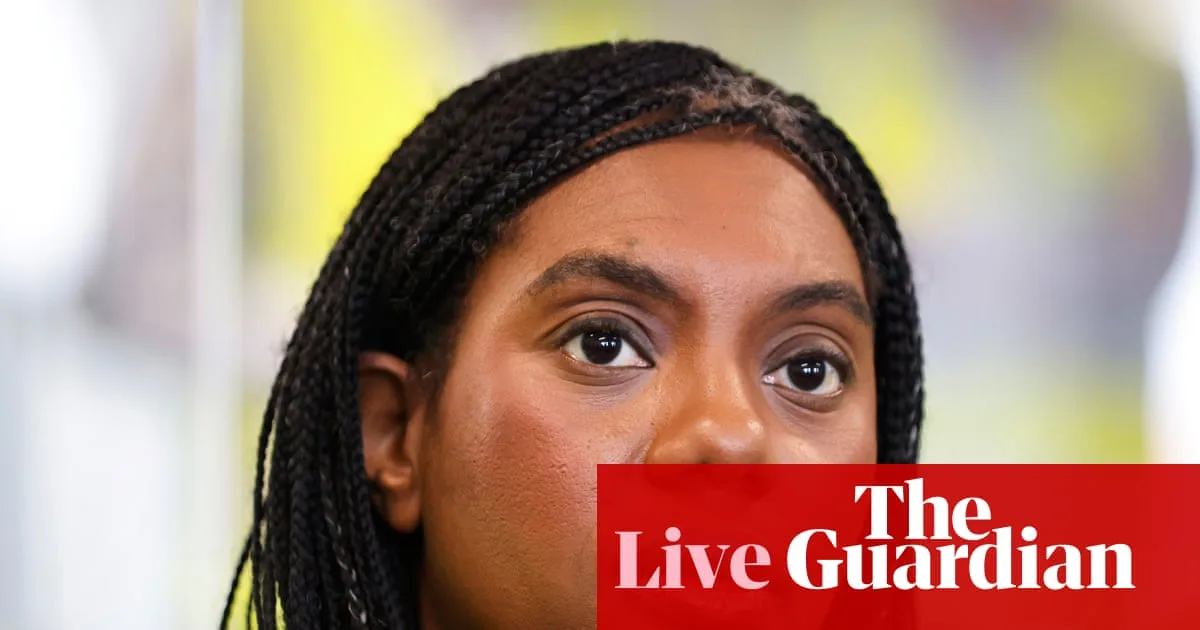
Conservative leader Kemi Badenoch has claimed that most of Robert Jenrick’s policies are simply her own ideas repackaged, in a pre-conference interview with the Spectator. Badenoch, who faces her rival’s active social media presence, said she is unfazed by Jenrick’s commentary, stating that repeating his leadership contest positions offers “no new information”.
Badenoch also revealed that the Conservative Party was on the brink of bankruptcy when she took over last year, describing it as a “distressed asset”. She said her first three to six months were spent ensuring the party did not go bust, which limited her media appearances. “I don’t think people realise just how perilous the situation was,” she added.
The Tory leader is set to deliver two speeches at the party conference in Manchester: one on Sunday outlining plans to leave the European Convention on Human Rights (ECHR), and the traditional closing address on Wednesday. This mirrors Theresa May’s 2016 conference strategy, when she effectively committed the UK to leaving the single market.
Badenoch confirmed she will present the ECHR withdrawal plans to her shadow cabinet ahead of the conference. The policy, which Jenrick firmly advocated during last year’s leadership contest, will now become official Tory policy. Badenoch had previously described ECHR withdrawal as not a “silver bullet”.
In the interview, Badenoch encouraged her shadow ministers to speak freely at conference, even if they stray from the party line. She also recounted a conversation with Donald Trump at a state banquet, where Trump said, “I hear me and you agree on so many things,” referring to her call for increased North Sea oil and gas extraction.
Meanwhile, former prime minister Theresa May has condemned Badenoch’s pledge to repeal the Climate Change Act if the Tories win the next election, calling it a “catastrophic mistake”. The conference comes as the party seeks to stem a loss of support to Reform UK.