Jenrick's Reform UK Defection: A Dismal Tory Betrayal That Boosts Badenoch and Starmer
Jenrick's Reform Defection: A Tory Betrayal Boosts Badenoch

The political landscape shifted dramatically this week as former shadow justice secretary Robert Jenrick crossed the floor to join Nigel Farage's Reform UK. This move, precipitated by his sacking by Tory leader Kemi Badenoch, has been characterised as a dismal betrayal that ultimately strengthens the positions of both Badenoch and Labour's Sir Keir Starmer, while deepening divisions on the British right.

A Forced Marriage and a Bitter Departure

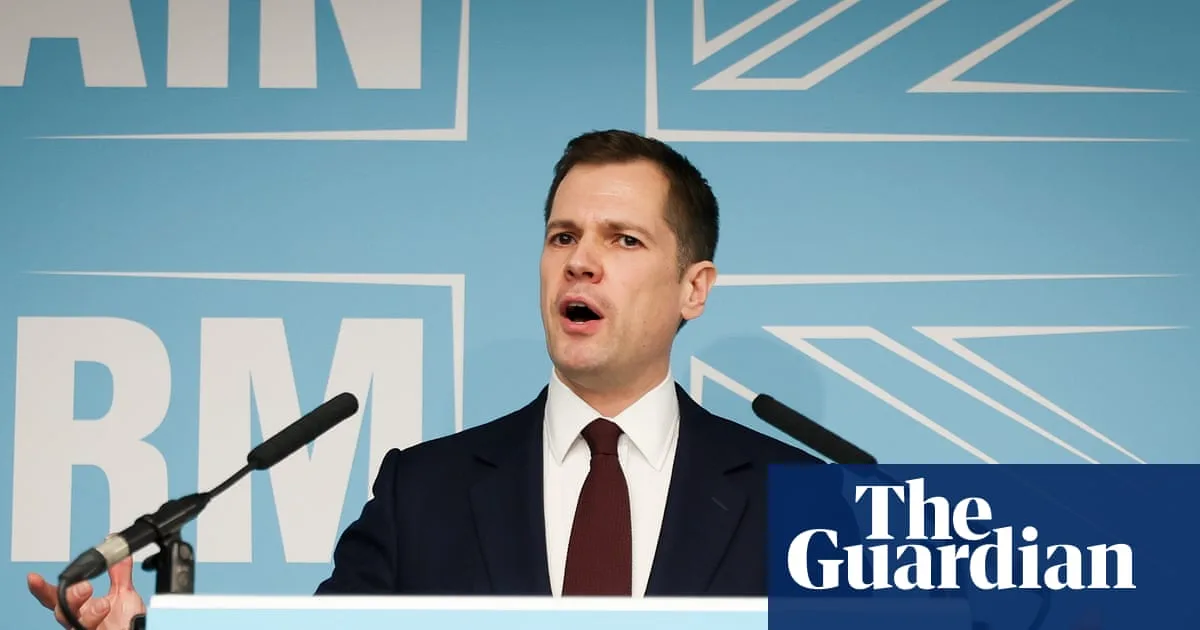
Pushed before he could jump, Robert Jenrick and Nigel Farage faced the media in an impromptu press conference that was long on bitterness and short on warmth. Farage, in a moment of ironic jest, even thanked Kemi Badenoch for acting as a political Cupid, revealing their "slow-moving bromance" and forcing their union. The tone, however, quickly turned sour. Jenrick launched a scathing attack on his former Conservative colleagues, accusing many of being "in denial" or "dishonest". He singled out Sir Mel Stride and Dame Priti Patel for particular criticism and breached confidences from shadow cabinet meetings, a move seen as a significant breach of trust.

In Newark, his local constituency chair expressed the feeling of party workers that they had been profoundly "betrayed" after campaigning tirelessly to secure his seat in the general election. The event was further punctuated by Farage setting a deadline of 7 May – the start date for local elections – for further Tory defections, promising a Labour convert would be unveiled next week.

The Real Story Behind the 'Ideological Journey'

Farage presented Jenrick as a prized catch, a politician undergoing a genuine Damascene conversion and making a great personal sacrifice. He cited Jenrick's past popularity with Conservative Party members and his former status as a bookies' favourite for the Tory leadership as evidence of his significance. The reality, however, is markedly different. Jenrick's political star has been waning for months, inversely proportional to Kemi Badenoch's rising authority. As Tory leader, Badenoch has grown in confidence, inflicted defeats on the government, and even begun to taunt Sir Keir Starmer over his own shaky leadership at Prime Minister's Questions.

Jenrick's claim to be a hard-right ideological soulmate of Farage is also deeply questionable. Until about a year ago, Farage himself dismissed Jenrick as a "fraud" and nicknamed him "Robert Generic". Jenrick was a centrist 'Cameroon' and a supporter of Remain in the 2016 EU referendum. His hard-right credentials are a recent acquisition. His much-publicised resignation from Rishi Sunak's government in December 2023 over the failure to "stop the boats" was widely seen at the time as a cynical, tactical move to position himself for a leadership bid after the anticipated election defeat.

Winners, Losers, and the Inevitable Split

The clear winner from this saga is Kemi Badenoch. By taking swift and decisive action to sack Jenrick, she has eliminated her main internal rival and strengthened her command over the Conservative Party. The events have publicly humiliated Jenrick, diminishing his stature even as he may privately dream of one day uniting the right under his own banner.

For Sir Keir Starmer and Labour, the continuing fragmentation of the right is a quiet gift. A divided opposition makes the path to retaining power significantly smoother. Meanwhile, Jenrick finds himself in a weak bargaining position within Reform UK, forced to pledge unwavering loyalty to Farage as Britain's "last chance" and next prime minister. Yet, as the biggest Tory defector to date, speculation about his leadership ambitions within Reform is already rife. Analysts predict the Jenrick-Farage partnership is a loveless, unequal, and forced political marriage. Conflict over strategy and roles seems inevitable, making a future split a matter of when, not if.

Ultimately, the spectacle of Robert Jenrick's defection has provided a short-term media storm but a long-term advantage to the two main party leaders. Kemi Badenoch emerges stronger, Sir Keir Starmer watches his opponents fracture, and the British right remains truly, madly, and deeply divided.




