

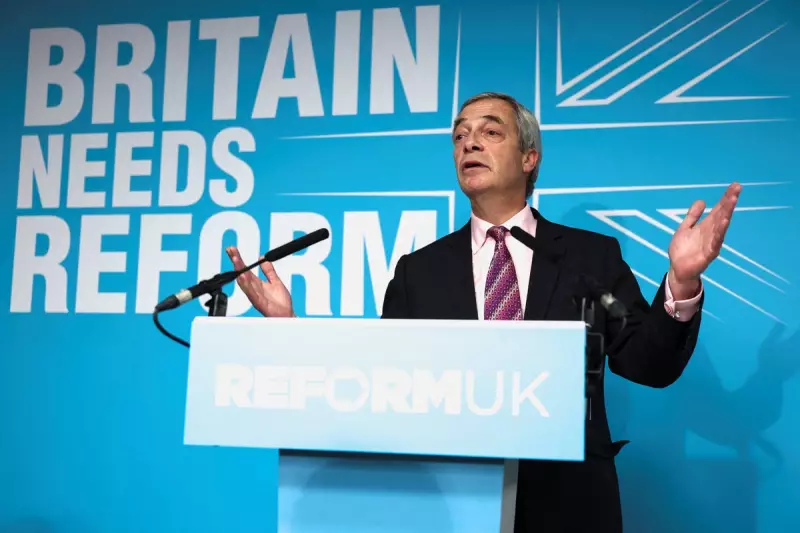
The political landscape shifted on Friday 16 January 2026, as Prime Minister Kemi Badenoch moved decisively to sack her Justice Secretary, Robert Jenrick, after he plotted a public defection to Nigel Farage's Reform UK. The pre-emptive strike punctured the carefully laid plans for a grand unveiling, leaving Jenrick scrambling and Farage awkwardly waiting.
A Swift Sack and a Hollow Speech
Badenoch faced no real choice. In politics, failing to act against open disloyalty is seen as a sign of weakness. Jenrick made the decision easy by planning his move to Reform. Her brutal and deliberate action caught her justice secretary offside. The Prime Minister's judgement was quickly vindicated by Jenrick's speech that afternoon, where he disparaged the Conservative Party he had until recently sought to lead. To many, it reeked of "moral cowardice" and naked opportunism.
The timing was poor for Jenrick and Reform. It came in a week of stalling polls for Farage's party and a badly managed defection by Nadhim Zahawi, whose pleas for a peerage undermined his message. The public, as Badenoch recognises, is tired of the Westminster psychodrama. With every defection and bout of Labour infighting, the electorate winces in distaste.

Who Wins from Westminster's Latest Drama?
While Badenoch gains personal kudos for acting swiftly, she loses a talented shadow cabinet member. The Telegraph speculates others, like Suella Braverman, could follow. However, there is an opportunity here for the Conservatives. With noisy troublemakers gone, Badenoch can forge a truly united party and promote loyal, new talent. The defections could prove a blessing.
It is far from clear that Reform is the winner. One theory suggests it creates unstoppable momentum. A counter-view is that Farage's party risks becoming a dumping ground for disappointed Tories—those who lost seats, feel ignored, or still crave a peerage. The public does not hold great affection for Robert Jenrick or the politically diminished Nadhim Zahawi.
The Long Game for 2029
Farage knows the long game is crucial, with an election still three years away. He needs experienced parliamentarians, not just MEPs or local councillors. Yet every Tory defection weakens his party's revolutionary feel. A recent dip in Reform's polls is dangerous, allowing rumours to spread that they are peaking too soon, much like the SNP.
Furthermore, a potential Tory resurgence, plummeting migration numbers, and Labour's newly toughened stance on immigration threaten to erode Reform's central argument. If the next election is not fought on immigration, Reform loses its core appeal.
For Jenrick, the future is murky. Being caught off-guard likely nullified any promises from Farage. His naked ambition and demonstrated disloyalty will win him few plaudits with voters or in Westminster corridors. His claim to have put 'personal ambition' aside was met with hollow laughter from former colleagues.
For Labour, this is a short-term win. A deepening split on the right makes friendly electoral pacts between Conservatives and Reform—where they stand down in key seats—highly unlikely. With the Greens surging and the Lib Dems strong, the numbers currently point towards a left-leading coalition in 2029, though rising taxes could alter that calculus.
Farage's mission is to grab the moderate centre-right, hence his declaration that this is a "big day in the realignment of the genuine centre-right." For Labour, the path is to focus on one or two clear voter worries—immigration, the NHS, or the cost of living—and hammer that narrative without deviation.
What is clear is that the battle for 2029 is wide open. Every party must now focus on delivering real change or crafting substantial, sellable answers to voters' concerns. The public, weary of drama, will demand proof of delivery. The race is on.






