Vice President JD Vance is privately harbouring deep fears that the ongoing war in Iran will result in a catastrophic outcome, even as he quietly lays the groundwork for a potential presidential campaign in 2028. This internal conflict comes at a time when his political fortunes have taken a significant hit, with Secretary of State Marco Rubio surging into a position of ascendancy within the administration.
Vance's Anti-Interventionist Stance
As an anti-interventionist Iraq war veteran, Vance has increasingly faded into the political background. Meanwhile, Secretary of State Marco Rubio and Defense Secretary Pete Hegseth are basking in the glory of Operation Epic Fury, a military action that successfully targeted and killed Ayatollah Ali Khamenei on February 28. This operation has bolstered their public profiles, leaving Vance in a more subdued role.
Concerns and Opposition
A senior Trump administration official recently confirmed that Vance is 'worried about success' in Iran and remains firmly opposed to the war. This revelation came just days after former President Donald Trump admitted on stage that the vice president had been 'less enthusiastic' about the conflict compared to other cabinet members. According to Politico, another senior official stated that Vance 'just opposes' the war and maintains a 'skeptical' viewpoint.

Despite his reservations, a second official noted that Vance had initially offered 'a different point of view' but has since aligned with the administration's stance. 'But once the decision has been made, he's fully on board,' the official insisted, highlighting Vance's commitment to unity after policy decisions are finalised.
Public Duties and Personal Struggles
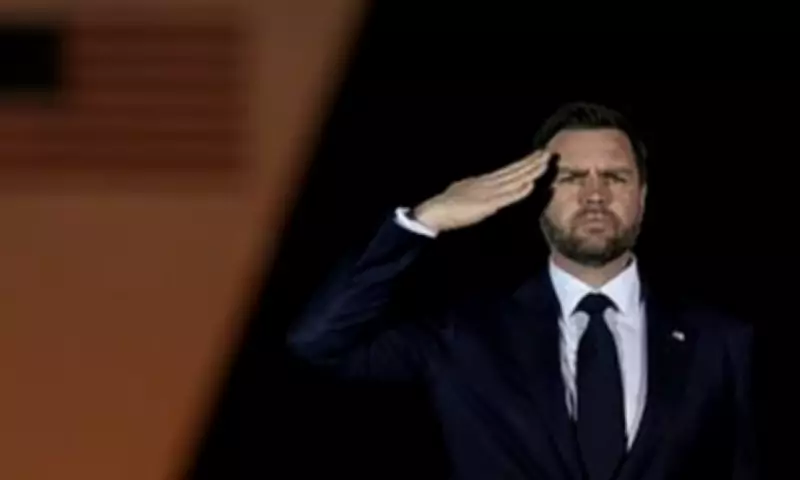
Amid these private concerns, Vance continues to fulfil his public duties. For instance, he was seen saluting as a US Army carry team moved the transfer case containing the remains of Sgt. Benjamin N. Pennington, a 26-year-old from Glendale, Kentucky, on Monday, March 9. This sombre event underscores the human cost of military engagements, which likely fuels Vance's apprehensions about the Iran conflict.
As Vance navigates these complex dynamics, his path to the White House in 2028 appears increasingly challenging. With Rubio's rising influence and the political fallout from the war, Vance must balance his personal convictions with his public role, all while planning for a future presidential bid that now seems more uncertain than ever.