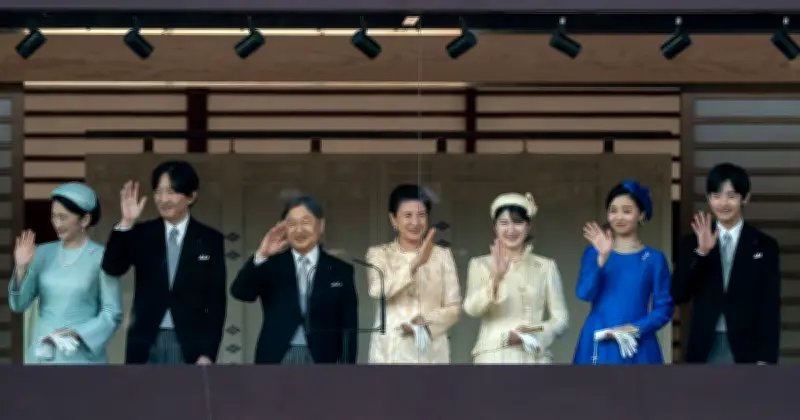
Japan's parliament has enacted a historic revision to the Imperial House Law, the first such change since 1949, expanding the eligible members of the imperial family while preserving the male-only succession rule that bars women from the Chrysanthemum Throne.
Key Changes to Succession Rules
The revised law permits male descendants in the male line who left the imperial family to rejoin as members. Additionally, female imperial family members who marry commoners will now retain their royal status and continue to undertake official duties, a departure from the previous requirement that they forfeit membership upon marriage.
However, the ban on female emperors remains firmly in place. Prime Minister Sanae Takaichi stated that the male bloodline is “the only source of the emperor’s authority and legitimacy.”

Concerns Over Dwindling Royal Family Numbers
The revision aims to address the shrinking size of the imperial family, which has raised concerns about the sustainability of the 1,500-year-old institution. Under the old rules, the family was reduced to just five single princesses, including Emperor Naruhito's only child, Princess Aiko, 24. Public opinion polls show widespread support for allowing women to ascend the throne, and many Japanese citizens favor Princess Aiko as the next emperor.
Despite her popularity, Aiko remains ineligible because she is a woman. The current line of succession moves from Emperor Naruhito to his younger brother, Crown Prince Fumihito, then to Fumihito's 19-year-old son, Prince Hisahito. After Hisahito, the next in line is the emperor's 90-year-old uncle, Prince Hitachi.
Criticism and Protests
Hideya Kawanishi, a Nagoya University expert on monarchy, called the revision “a declaration to prevent female monarchs ... and to defend the male lineage at all costs.” He added, “They cannot say it’s male chauvinism, so they call it tradition.”
Some Japanese government members have protested the change, advocating for Princess Aiko's right to rule and raising issues of gender discrimination and the patriarchal system. The revision does not address the possibility of female or matrilineal succession, leaving the imperial family's future uncertain.