Irish Government Secures Confidence Vote Amid Fuel Crisis Turmoil
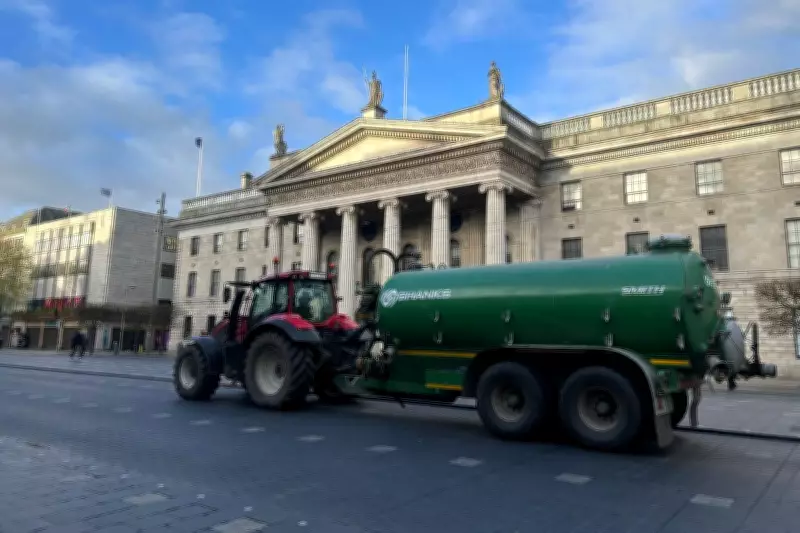
The Irish Government has narrowly survived a critical confidence motion concerning its management of a severe fuel crisis, but the victory came at a significant political cost with the resignation of a junior minister. The motion, which passed by 92 votes to 78 in the Dail parliament, followed major protests that included blockades of critical infrastructure such as the country's only oil refinery.
Minister's Shock Resignation During Debate
Independent minister Michael Healy-Rae, who had supported the coalition government formed by Fine Gael and Fianna Fail, stunned colleagues by announcing his resignation during the debate. He then voted against the Government, stating that Taoiseach Micheal Martin should have heeded the concerns of protesters. A spokesperson for Mr. Martin expressed disappointment, noting no prior warning was given.
Mr. Healy-Rae emphasized his role as a voice for rural Ireland, declaring in the Dail: "I've always looked at myself as a gauge of the people of rural Ireland, and I really believe that I am. Because of the fact that I believe this Government have let the people of Ireland down, I will be voting no confidence in the leader of the country, and I will be tendering my resignation as a minister of state from now."

Opposition Criticism and Government Defense
The confidence motion was triggered after Sinn Fein, the largest opposition party, tabled a motion of no confidence over the coalition's response to fuel protests and cost-of-living issues. Sinn Fein leader Mary Lou McDonald labeled the Government's actions as "brazen" and called for an immediate election, accusing ministers of arrogance and lack of empathy.
In response, Taoiseach Micheal Martin defended the Government's record, asserting it was "manifestly untrue" to claim no assistance had been provided amid rising fuel prices. He highlighted a 505 million euro support package announced recently and criticized the blockades as "destructive" and threatening to national security.
Mr. Martin stated: "Everybody has a right to protest, but nobody has a right to appoint themselves as the voice of the people and to threaten the jobs and livelihoods of many thousands of families. Nobody has the right to prevent people from getting to cancer treatment, to be visited by their carer, to distribute vital supplies."
Heightened Security and Public Protests
The debate occurred against a backdrop of heightened security, with an increased presence of An Garda Siochana outside Leinster House. A large crowd of protesters gathered, chanting slogans like "get them out" and "traitors," reflecting widespread public discontent over the fuel crisis exacerbated by the war in Iran.
Finance Minister Simon Harris condemned Sinn Fein's motion as a "stunt," warning that if it succeeded, the Government's financial support measures would "fall away" without parliamentary approval. He argued the Government's package was more comprehensive than any opposition proposal.
Political Fallout and Future Implications
All opposition parties voted against the Government in the confidence motion, underscoring deep political divisions. The resignation of Mr. Healy-Rae, who attempted to speak with Mr. Martin post-announcement but found him engaged in a call with Canadian Prime Minister Mark Carney, adds to the coalition's challenges.
As the Dail resumes after the Easter break, the Government faces ongoing scrutiny over its handling of the crisis, with calls for an election growing louder. The episode highlights the fragile nature of parliamentary support and the intense pressures on leaders during national emergencies.