Irish Government Survives Confidence Vote Amid Fuel Protest Fallout
The Irish coalition government has narrowly survived a vote of confidence in the Dáil, triggered by the main opposition party Sinn Féin over its handling of recent fuel price protests across the country. The motion, which criticised the government's approach to the escalating demonstrations, was defeated with 92 TDs voting in support of the government and 78 voting against.
Political Tensions and Resignations
The vote followed significant political drama, notably with Independent TD Michael Healy-Rae voting against the government after tendering his resignation as a Minister of State shortly before the ballot. During the debate, Healy-Rae accused the government of "arrogance" in its handling of the protests, stating that Irish premier Micheál Martin should have listened more closely to the concerns of protesters.
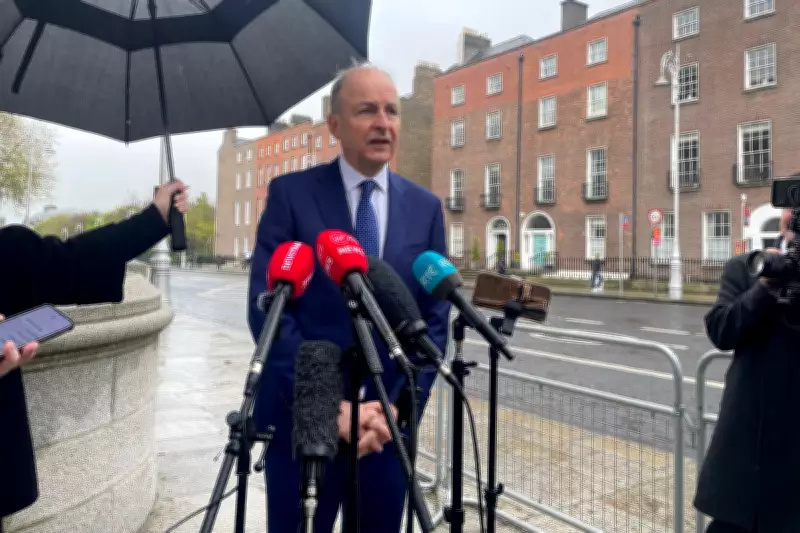
Sinn Féin leader Mary Lou McDonald intensified the criticism, labelling the government's response to fuel protesters as "brazen" and declaring it was "time for an election." In response, Taoiseach Micheál Martin defended his administration's actions, arguing it would be "dishonest" for the opposition to suggest "there are no hard choices" regarding rising fuel costs.

Government Defence and Support Package
Ministers strongly criticised politicians who supported the blockading of critical infrastructure during the protests last week, emphasising that work to assist people with escalating fuel costs was already underway before the demonstrations began. The government had announced a substantial 505 million euro support package on Sunday, aimed at mitigating the impact of rising fuel prices exacerbated by the war in Iran.
Speaking in the Dáil on Tuesday, Martin asserted it was "manifestly untrue" to claim the government had done nothing to help citizens, highlighting that the coalition's actions went "beyond anything being done elsewhere." He condemned the "destructive" blockade of national infrastructure, which he said "went far beyond" previous protests, and denounced the "sinister targeting" of gardaí and oil lorry drivers, as well as threats against politicians.
Broader Implications and Opposition Critique
Irish deputy premier and finance minister Simon Harris dismissed the Sinn Féin motion as a "stunt," warning that if it had succeeded, the financial measures announced by the government would "fall away" without parliamentary approval. Harris argued that Sinn Féin had "decided on the motion before they ever saw the details of the Government's package of supports," claiming the government's response was "far more comprehensive and strategically responsive than anything they have proposed."
The political fallout from the fuel protests continues as the Dáil resumed after the Easter break, with attention focused on how Kerry TD Danny Healy-Rae would vote following his brother's resignation. Martin reiterated that while everyone has a right to protest, no one has the right to appoint themselves as the voice of the people or threaten jobs and livelihoods, particularly by preventing access to essential services like cancer treatment and vital supplies.
This confidence vote underscores the deepening political divisions in Ireland over economic policies and protest management, setting the stage for ongoing debates as the government seeks to balance public support with maintaining order amid global energy crises.