Irish Army Mobilised to Dismantle Fuel Depot Blockades
The Irish Defence Forces have been deployed to clear heavy vehicles obstructing critical fuel depots, as nationwide protests over escalating fuel costs entered their third day. Justice Minister Jim O'Callaghan confirmed that the blocking of essential national infrastructure would not be tolerated, with military assistance requested to restore access.
Protests Escalate Across Ireland
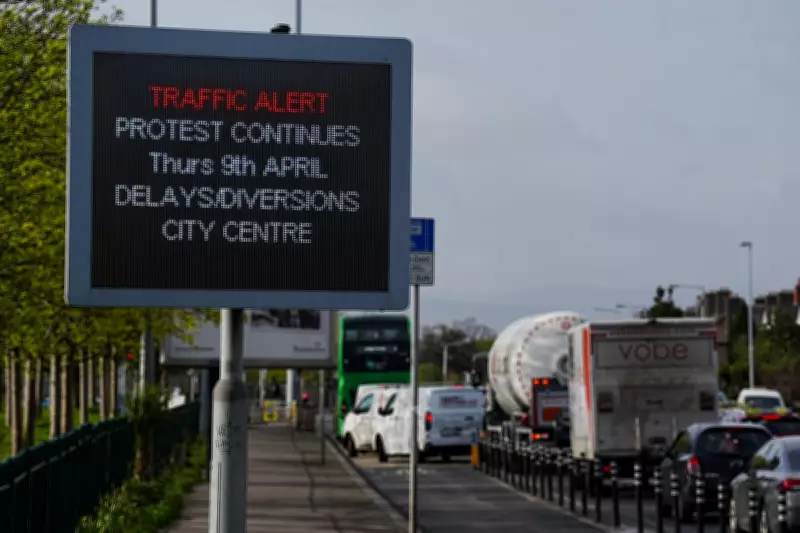
Coordinated demonstrations began on Tuesday, featuring slow-moving convoys on motorways and major road blockades in Dublin and other urban centres. Hauliers and agricultural contractors, using large trucks and tractors, have significantly disrupted traffic flow. By Wednesday, the situation intensified as protesters targeted fuel depots directly, prompting government intervention.
In a stern statement, Justice Minister O'Callaghan warned vehicle owners involved in the blockades to remove them immediately or face potential damage during forced removal operations. He emphasised that such obstructions of critical infrastructure are unlawful and unsustainable.

Government and Police Respond Firmly
Taoiseach Micheal Martin defended the decision to deploy army and gardai, stating that the government had to act once the Whitegate fuel depot in County Cork and the Foynes terminal in County Limerick were blocked. He expressed hope that violence could be avoided, noting it is not in the state's nature to engineer conflict.
Deputy Garda Commissioner Shawna Coxon announced that law enforcement is moving to an enforcement phase, urging protesters to desist and disperse or face the full rigours of the law. The Garda Siochana has requested military support for the operation, which the Defence Forces confirmed is ongoing, though they declined further comment.
Protesters' Demands and Government Stance
Protesters have nominated several spokespeople to engage with government leaders, but Agriculture Minister Martin Heydon stated that officials would only meet with established farming and haulier representative groups, not the protesters themselves. He framed the situation as a choice between democracy and anarchy, acknowledging public frustration over energy price shocks linked to Middle East conflicts.
John Dallon, one of the nominated spokespeople, distanced himself from the depot blockades, noting he has no control over actions in other regions. Meanwhile, Dublin Fire Brigade reported emergency response delays due to the protests, highlighting broader public safety concerns.
Economic Context and Supply Risks
The cost of petrol, diesel, and marked gas oil has surged following Middle East tensions and disruptions to supplies through the Strait of Hormuz. Fuels for Ireland chief executive Kevin McPartland warned that blocked depots risked petrol forecourt shortages, exacerbating the crisis.
Just over two weeks ago, Ireland's coalition government approved measures to reduce fuel costs, including temporary excise duty cuts and expanded rebate schemes. However, these savings have been largely eroded by ongoing war impacts, fueling the current unrest.
Other coalition figures, including Tanaiste and Finance Minister Simon Harris, reiterated the importance of maintaining fuel depot access and warned of consequences for unlawful activities, underscoring the government's unified response to the escalating protests.