The Unerasable Legacy of Imran Khan
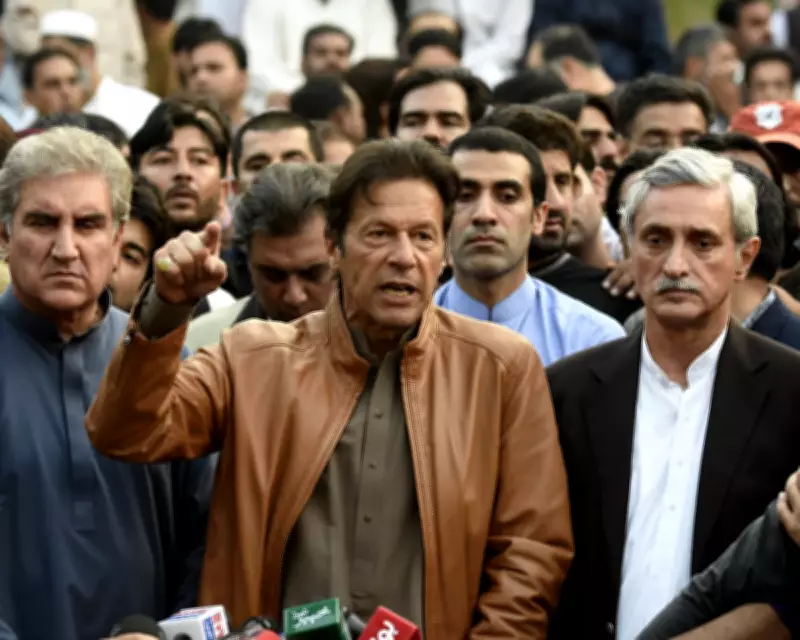
In the annals of Pakistan's history, one name towers above all others in sheer fame: Imran Khan. From his early days as a cricket icon to his tumultuous political career, Khan has become an indelible part of the national consciousness. Now confined to a prison cell, the state's attempts to erase him from public life have proven futile against the weight of his five-decade legacy.
A Multifaceted Public Figure
Imran Khan's journey began fifty years ago with a dramatic cricket victory in Australia, where his fast bowling captured the nation's imagination. He evolved into Pakistan's greatest cricketer, leading the team to historic triumphs including the 1992 World Cup. Beyond sports, he built a cancer hospital for the poor, establishing himself as a beloved philanthropist before entering politics with promises of reform.
His political ascent culminated in the premiership in 2018, though his tenure ended abruptly in 2022 through a parliamentary vote of no-confidence. Since August 2023, he has been imprisoned on corruption charges, sentenced to a total of 31 years across two cases. Yet despite physical confinement, his presence looms larger than ever.

The State's Failed Erasure Campaign
Authorities have employed extreme measures to suppress Khan's influence. Television channels were instructed not to mention his name, referring to him only as "Bani PTI" (PTI leader). Newspapers were barred from publishing his photographs or using his name in headlines. Even historical footage was manipulated—the Pakistan Cricket Board initially edited him out of celebrations of the 1992 World Cup victory before public backlash forced restoration.
These efforts reached absurd heights when journalists began avoiding his name in private conversations, fearing surveillance. During election season, his party's candidates were labeled as independents, and their cricket bat symbol was banned. Despite these obstacles, PTI-aligned independents won the most seats in the 2024 elections, demonstrating Khan's enduring appeal.
The Digital Resistance
In the digital age, attempts to vanish a figure of Khan's stature face insurmountable challenges. His team has leveraged AI-generated content, virtual rallies, and archived speeches to maintain his presence. TikTok videos featuring Khan have garnered hundreds of millions of views, while his X account remained active with regular posts dictated from prison.
Ordinary citizens have embraced his prisoner number—804—turning it into a symbol of resistance through songs, graffiti, and merchandise. This organic digital footprint makes complete erasure impossible, as Khan exists across countless user-generated platforms beyond state control.
The Physical and Political Reality
Khan's current imprisonment in Adiala jail involves strict isolation, with limited access to visitors and basic privileges frequently revoked. Yet reports from those who have met him emphasize his physical fitness and resilience, maintaining an almost mythological aura of invulnerability.
Politically, his absence has created a vacuum within his party, which lacks a clear successor due to his opposition to dynastic politics. The PTI remains fundamentally tied to Khan's persona, raising questions about its future beyond his leadership.
Historical Context and Future Implications
Khan's situation echoes Pakistan's troubled history with political leaders, including the executions and assassinations of previous prime ministers. The military establishment's influence remains the constant factor in these dramas, with Khan's current predicament stemming from his fractured relationship with army leadership.
As he ages in captivity—now 73 with reported health issues including vision loss—the possibility of his physical decline presents the establishment with a passive strategy: waiting out his natural lifespan while containing his digital afterlife.

Ultimately, Imran Khan represents a paradox for Pakistani authorities: the more they try to erase him, the more legendary he becomes. His fame, built over half a century across sports, philanthropy, and politics, has created a multiverse of public memory that no censorship campaign can fully extinguish. The attempt to disappear Pakistan's most famous son may prove as impossible as trying to erase the sky itself.