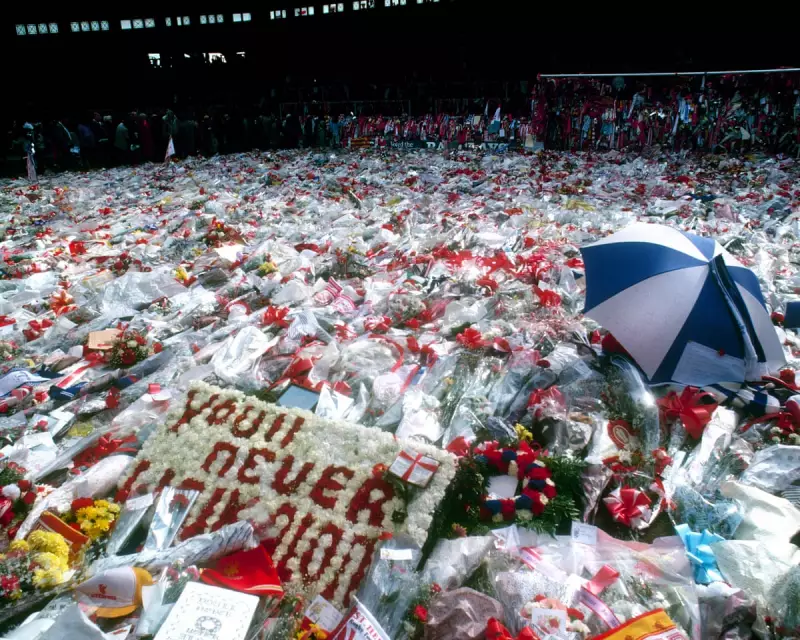
The government's flagship Hillsborough law, a cornerstone of Prime Minister Keir Starmer's manifesto, has hit a major political roadblock. The proposed legislation, designed to force public bodies to tell the truth in official investigations, has been thrown into turmoil after a last-minute amendment concerning intelligence agencies provoked a fierce backlash from Labour MPs and the families of the 97 victims.
The Heart of the Hillsborough Law
Officially titled the Public Authority (Accountability) Bill, the Hillsborough law is a direct response to the decades-long fight for justice following the 1989 stadium disaster. The law would create a legal 'duty of candour', compelling organisations like the police, NHS, and local authorities to provide full and truthful information to inquiries. Those who lie, withhold, or tamper with evidence would face criminal prosecution and potential prison sentences.
This legislation aims to prevent the kind of institutional obstruction that plagued the Hillsborough disaster investigations. In that tragedy, more than 100 police witness statements were altered to remove criticism of South Yorkshire Police. It took until a landmark 2016 inquest to conclusively rule that the 97 Liverpool fans were unlawfully killed and that fan behaviour was not to blame.

Spy Clause Sparks Fury and a Swift U-Turn
The crisis erupted last week when the government introduced a new amendment to the bill. It proposed bringing intelligence agencies like MI5 and MI6 within the law's scope, but with a crucial caveat: disclosure would be subject to approval by the chiefs of those services.
Campaigners and MPs immediately condemned this as a loophole that would allow spies to decide what information is released, potentially enabling further cover-ups. The backlash was swift and severe, with figures like Liverpool Wavertree MP Paula Barker warning it felt like the "ultimate betrayal". Charlotte Hennessy, who lost her father James in the disaster, urged the Prime Minister not to destroy their achievements, stating the bill was "95% there" but the spy clause must be dropped.
Facing this mounting pressure, the government performed a late-night U-turn, pulling the controversial amendment on Sunday just 24 hours before it was due before Parliament.
A Critical and Damaging Juncture for Starmer
This episode represents a significant political danger for Keir Starmer. He has personally wedded his premiership to the Hillsborough law, featuring it prominently in his conference speech and manifesto. Failing to pass a robust version of the bill is seen as potentially one of the most damaging missteps for his new administration, which has already faced accusations of backtracking on other policies.
The bill is now at a critical stage, entering its penultimate phase in the House of Commons. Ministers have promised further talks with campaigners and MPs, with any changes likely to be introduced when the legislation moves to the House of Lords. Campaign group Hillsborough Law Now called the pause "frustrating" but said it gave the government a chance to listen. Their support, and that of the families, is seen as essential for the law's credibility and passage.
The coming days will determine whether the government can salvage its flagship policy and deliver on a promise of transparency that is nearly four decades in the making.