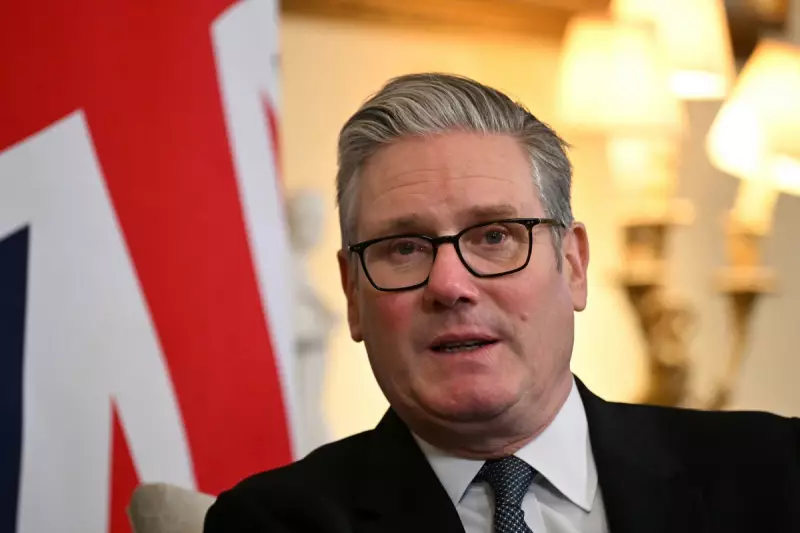
Prime Minister Sir Keir Starmer has launched the Government's long-awaited strategy to tackle child poverty, framing it as both a moral imperative and a sound economic investment for the nation's future.
The Moral and Economic Case for Action
Unveiling the 116-page plan, Sir Keir described the situation where around 4.5 million children live in poverty in the UK as "shocking". He emphasised the profound "individual human cost", from skipped meals to poor housing, which acts as a "huge barrier to potential". "After all, if you are arriving in your classroom hungry or tired from sleeping in a cold bed, then you are simply not in the best position to learn. We should not stand for that," the Prime Minister stated.
Beyond the basic moral argument, the Government contends that tackling child poverty is a "sound investment". It believes improving children's life chances will strengthen the economy long-term and help alleviate pressure on overstretched public services, while also easing cost-of-living pressures for working families.

Key Measures and Financial Impact
The cornerstone of the strategy is the scrapping of the two-child benefit limit from April next year, a move announced in last week's Budget costing £3 billion. This single policy is estimated to reduce child poverty by 450,000 by 2029/30.
Combined with other measures, including a wider rollout of free school meals, the Government projects its overall plan will lift 550,000 children out of poverty by 2030. Further actions include a rule change to extend eligibility for upfront childcare costs for universal credit claimants returning from parental leave, aimed at helping new parents get back to work.
Tackling Unsuitable Temporary Accommodation
A significant focus of the strategy is on housing. The Government pledged to end the unlawful placement of families with children in bed and breakfasts beyond the six-week legal limit. It confirmed an £8 million pilot programme will continue for three years across the 20 local authorities with the highest numbers in this situation.
Most recent data showed 2,070 households in England with children had been in B&B accommodation for over six weeks by the end of June. The Government also vowed to work with the NHS to stop new mothers with newborns being discharged to such unsuitable housing. Homelessness minister Alison McGovern revealed that in the five years to 2024, 74 children, including 58 babies, died with causes attributed to the effects of temporary accommodation.
Councils will also get a new legal duty to notify schools, health visitors and GPs when a child is placed in temporary accommodation, via an amendment to the Children's Wellbeing and Schools Bill.
Charity Response and Regional Impact
While charities largely welcomed the strategy as a positive starting point, some warned against "warm words" without "ambitious targets". The Child Poverty Action Group said the Government "must now build on this momentum", while Crisis said the housing measures had "the potential to save lives".
Analysis by the Institute For Public Policy Research (IPPR) suggests regions with higher child poverty will see larger proportional benefits. It forecasts that by 2026/27, mean income for affected households will rise by 0.32% in Yorkshire and The Humber, 0.31% in Wales and 0.30% in the North West. The North West is projected to see the largest reduction in child poverty by the end of this Parliament, with around 90,000 children lifted out of hardship.