Gabbard's Testimony on Puerto Rico Voting Machines Raises Questions Over Venezuela Conspiracy Theory
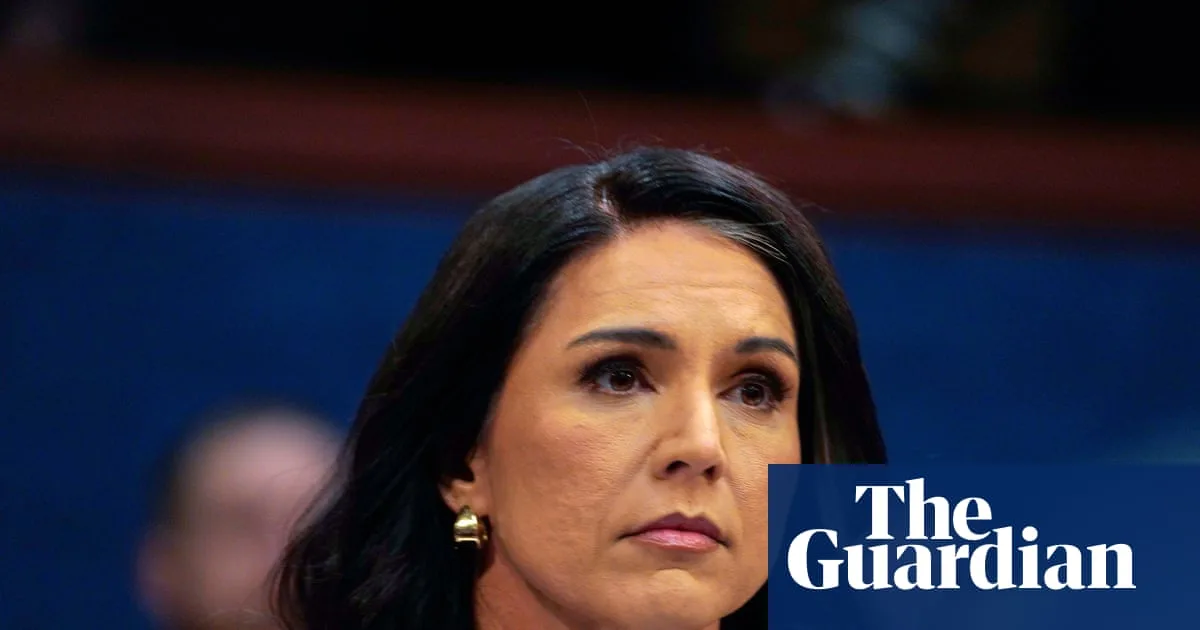
During a House committee intelligence hearing on 19 March, US Director of National Intelligence Tulsi Gabbard disclosed that her office had seized voting machines from Puerto Rico. She stated this action was taken at the request of the US attorney's office in Puerto Rico. However, this prosecutor has been at the centre of efforts by Donald Trump supporters to revive a long-discredited conspiracy theory linking Venezuela to Trump's 2020 electoral defeat.
The Debunked Venezuela Voting Machine Conspiracy
The conspiracy theory alleges that Venezuelan President Nicolás Maduro controlled electronic voting machines globally and remotely manipulated results in 2020 to prevent Trump from winning the presidency. This was among numerous unfounded claims promoted by Trump and his allies, including allegations of dead voters, stolen ballots, mail-in ballot fraud, and mass voting by noncitizens.
In 2023, a judge ruled the voting machine conspiracy involving Dominion Voting and Venezuela was false. Several news organisations that propagated these allegations have retracted them and paid hundreds of millions in defamation settlements. Despite this, Trump appeared to endorse the theory even after ordering a military incursion into Venezuela to capture Maduro earlier this year.
Revival of the Theory in Trump's Justice Department
In early 2025, the conspiracy theory gained renewed attention within Trump's justice department. According to three sources, longtime proponents Gary Berntsen, a former CIA official, and Venezuela expatriate Martin Rodil presented the case to US Attorney for Puerto Rico W Stephen Muldrow. These sources also indicated that Berntsen and Rodil briefed the Office of the Director of National Intelligence with identical claims.
A national intelligence official responded via email, stating that any information provided by Berntsen and Rodil was voluntary and did not influence ODNI's decision to assess Puerto Rico machines. The official denied that ODNI was investigating the Venezuela theory, emphasising that their efforts were not focused on any specific election.
Overlap Between Intelligence and Prosecutorial Actions
Muldrow's inquiry into the Venezuela voting conspiracy highlights how Trump's justice department is being used to reinterpret the history of his 2020 loss. The unprecedented seizure of voting machines by an intelligence agency, requested by a prosecutor pushing a fringe theory, suggests at least an overlap in the case.
When questioned by Congressman Jim Himes about the seizure, Gabbard defended it as a valid effort to examine election vulnerabilities. She explained, "There were questions about whether or not there were vulnerabilities that a threat could have taken advantage of, and that was the purpose of their requesting us to look into those vulnerabilities."
Broader Context and Intelligence Community Concerns
Gabbard was testifying on the annual worldwide threat assessment. During Senate testimony, Senator Mark Warner noted that for the first time since 2017, the assessment omitted any mention of adversary attempts to influence American elections. Warner expressed concern, stating, "I don't believe this omission means that the threat has disappeared. It means that the intelligence community is no longer being allowed to speak honestly about it."
Puerto Rico holds no electoral votes in presidential elections. Its voting procedures have faced criticism for poor performance in local races and frequent failures in electronic transmission of results, necessitating alternative methods.
Berntsen, who has promoted the conspiracy theories on podcasts, messaged the Guardian, claiming the focus was on Chinese technology in Puerto Rico, not a Venezuelan connection. Muldrow declined to comment for this story.