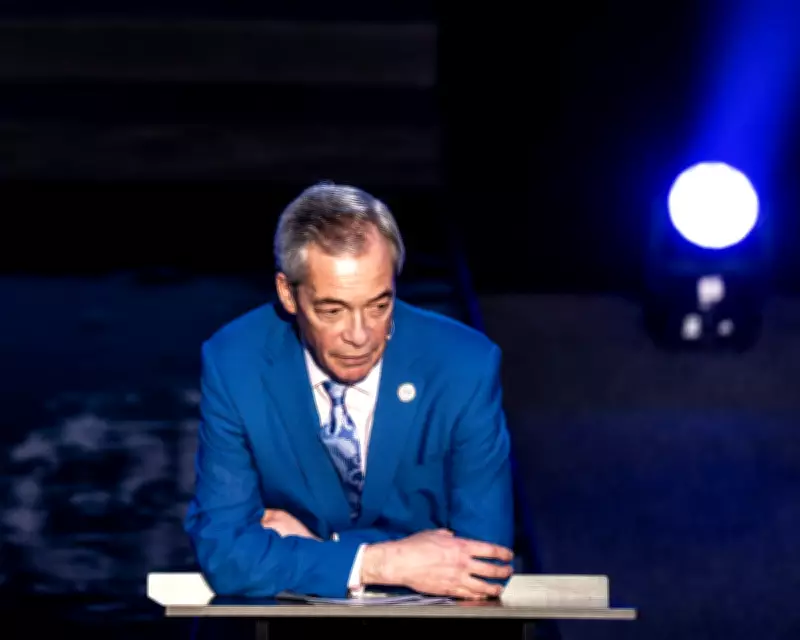
Nigel Farage orchestrated a spectacle reminiscent of a gameshow to present Reform UK's new shadow cabinet, yet the 75-minute event underscored his unchallenged dominance within the party. Held at Church House in Westminster, the setup evoked comparisons to "The Weakest Link," with Farage firmly at the centre, ensuring the spotlight rarely strayed from him.
Farage's Central Role and Team Dynamics
Despite attempts to project unity, the presentation revealed a hierarchy where Farage's appointees were relegated to brief, five-minute introductions before fading into the background. "I was looking for three things: energy, experience, and expertise," Farage declared, though his selections often fell short of these criteria.
Richard Tice's Demotion and Business Role
Deputy leader Richard Tice was assigned the business, trade, and energy portfolio, a move widely seen as a demotion after he had hoped for the shadow chancellor position. Tice, who previously led Reform before Farage's return, attempted to appear enthusiastic, citing his business background and plans for economic growth and deregulation. However, his demeanour suggested resignation to a supporting role, with Farage's ego casting a long shadow over his contributions.

Robert Jenrick as Shadow Chancellor
Former Tory minister Robert Jenrick, whom Farage had previously labelled a fraud, was appointed shadow chancellor. Jenrick glossed over his tenure in the Conservative government, attributing the country's issues to the last 18 months of Labour rule while conveniently omitting his support for Liz Truss's budget. His pledge to safeguard finances was met with scepticism, given his controversial past with planning consents for party donors.
Zia Yusuf's Hardline Immigration Stance
Zia Yusuf, known for his grumpy disposition, took on the shadow home secretary role, focusing intensely on deporting immigrants. He openly criticised Jenrick's past performance as immigration minister, highlighting internal friction within the party. Yusuf's confrontational style and single-minded agenda signal potential clashes ahead, even with Farage himself.
Suella Braverman's Education and Equities Role
Suella Braverman, sacked as home secretary under the Tories, accepted the shadow education, skills, and equalities minister position, though she appeared disinterested. She dismissed schools as inadequate and advocated for vocational training over university for the general populace, while promptly abolishing the equalities aspect of her role, making it the shortest-held shadow ministerial title in history.
Media Interaction and Farage's Control
During the Q&A session, Farage reasserted his authority, interrupting a journalist's question to Jenrick with "I'll take that one," reinforcing that Reform remains his personal fiefdom. He grew increasingly arrogant, ridiculing female journalists and evading tough queries, revealing a thin-skinned and sexist side he often conceals.
The event concluded with notable omissions, as no one was appointed to shadow foreign or defence secretary roles, suggesting Farage is either saving positions for future allies or struggling to find suitable candidates. Overall, the press conference exposed Reform UK as a party tightly controlled by Farage, with his shadow cabinet serving more as a supporting cast than genuine leaders.