Nigel Farage's Dramatic U-Turn on Iran Military Action
Reform UK leader Nigel Farage has executed a significant reversal in his stance regarding potential British involvement in military action against Iran, a shift that coincides with mounting public anxiety over escalating energy bills. This abrupt change in position has ignited fierce criticism from political opponents who accuse him of inconsistency and panic-driven decision-making.
From Hawkish Demands to Cautious Retreat
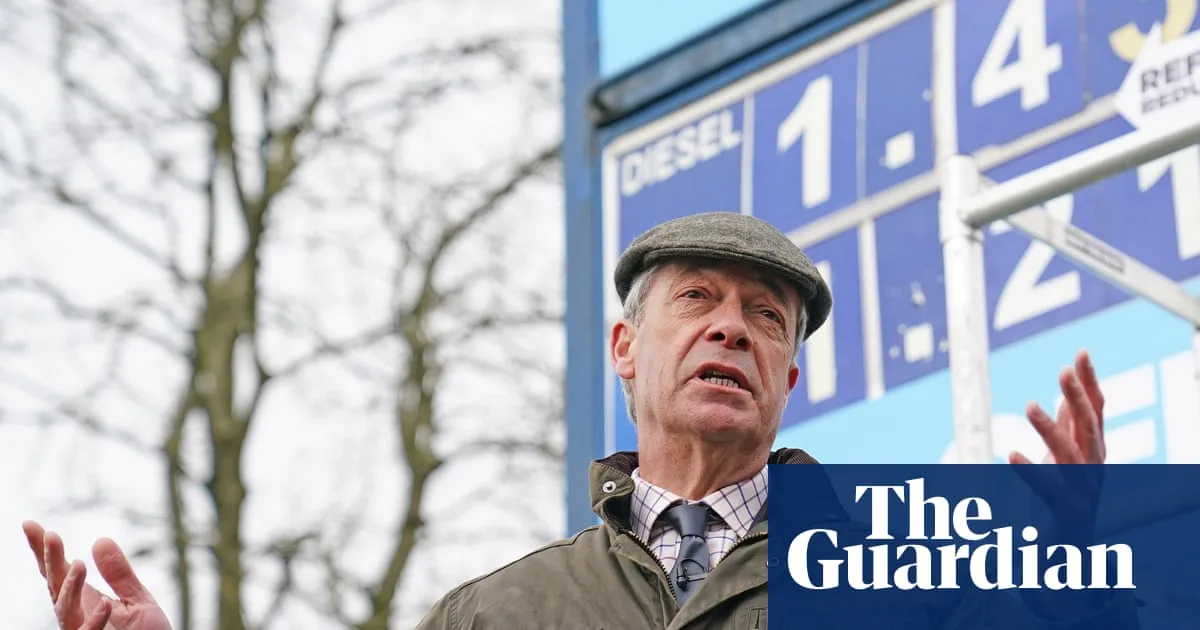
Initially, Mr Farage vocally criticised the British Government and Labour leader Keir Starmer for failing to support the initial wave of US-Israeli strikes against Iran. However, in a stark about-face, he now publicly advocates against UK entanglement, telling journalists, "Let's not get involved in another foreign war." This reversal was articulated during a visit to a petrol station in Derbyshire, where he highlighted concerns over domestic military readiness.
"Given that we can't even send a Royal Navy vessel to defend British sovereign territory and an RAF base, we certainly don't have the capability to offer anything of any value to the Americans or the Israelis," Mr Farage stated. He further elaborated, "There are differing opinions as to whether we should physically join the attacks. I, as leader, am saying to you, if we can't even defend Cyprus, let's not get ourselves involved in another foreign war."
Internal Party Divisions and External Criticism
The policy shift exposes deeper confusion within Reform UK's ranks on this critical issue. Deputy leader Richard Tice and prominent member Nadhim Zahawi had previously expressed support for British military involvement, while Treasury spokesman Robert Jenrick opposed it. This lack of a unified front has provided ample ammunition for critics.
A Labour source lambasted the change, saying, "Nigel Farage and Reform spent the past week saying they would bomb Iran. Now they're backtracking as petrol prices rise, leaving their foreign policy in chaos. That's not serious leadership, that's panic." Labour Party chairwoman Anna Turley echoed this sentiment, emphasising the gravity of war decisions and accusing Mr Farage of initially advocating for escalation that would worsen cost-of-living pressures.
Farage's Justification and Broader Commentary
Mr Farage defended his initial support, claiming the Government's decision not to allow US use of British bases was a "massive mistake" and that he "absolutely wanted us to be supportive." He argued for a swift conclusion to the conflict, noting its political importance for US President Trump, a personal friend. "We all want the war over quickly, including President Trump. Politically, it's vital for him that it's over pretty quickly," he said.
However, he firmly ruled out committing British troops, stating, "We don't have the soldiers anyway. Even if we did, I would say it's no to boots on the ground." This contrasts with Reform's Greater Lincolnshire Mayor Dame Andrea Jenkyns, who previously declined to rule out ground troop deployment.
Strained Transatlantic Relations and Leadership Questions
Beyond immediate military concerns, Mr Farage expressed worries about deteriorating UK-US relations. He criticised Liberal Democrat leader Ed Davey's suggestion that the King cancel a visit to America as "a really immature and stupid idea," but warned, "My worry right now is that America, as a whole, is losing respect for us."
This episode has intensified scrutiny on Mr Farage's leadership credentials. Anna Turley concluded, "If he had been prime minister he would have already dragged our country into this war, and wouldn't be able to U-turn like he has done today. While Keir Starmer offers serious, level-headed leadership in the national interest, Nigel Farage and Kemi Badenoch have shown themselves to be unfit for office." The controversy underscores the complex interplay between foreign policy, domestic economic pressures, and political consistency in a volatile geopolitical climate.