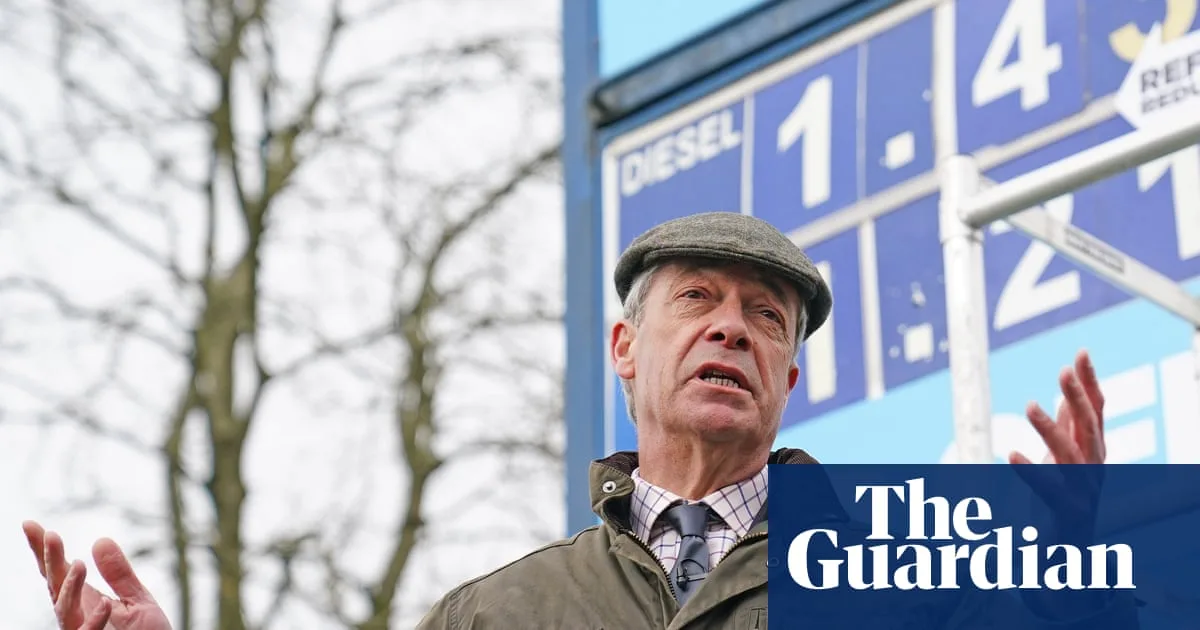
Nigel Farage has been accused of performing a U-turn after stating that Britain should stay out of Donald Trump's war with Iran, contradicting his earlier call for the 'gloves to come off'. The Reform UK leader's latest comments have sparked confusion over the party's foreign policy direction.
Labour chair Anna Turley criticised Farage, saying: 'Reform wanted the UK to go to war in Iran and are now trying to cover up the consequences for British families, including higher fuel prices.' A YouGov poll indicates Reform's 2024 voters are divided, with 24% backing active UK involvement and 63% supporting a retaliatory or defensive stance.
The conflict has exposed splits among senior Reform figures over whether the UK should adopt a more isolationist 'Britain First' approach. Farage's deputy has taken a hawkish line, while Treasury spokesperson Robert Jenrick advocated a 'hands off' position, warning of spiralling prices and harm to British consumers.

Greater Lincolnshire mayor Andrea Jenkyns did not rule out British troops on the ground, and former Conservative chancellor Nadhim Zahawi said the UK should support US and Israeli bombing of Iran. The internal divisions mirror those in Trump's own conservative base in the US.