Nigel Farage Halts Cameo Video Service Following Investigation into Content
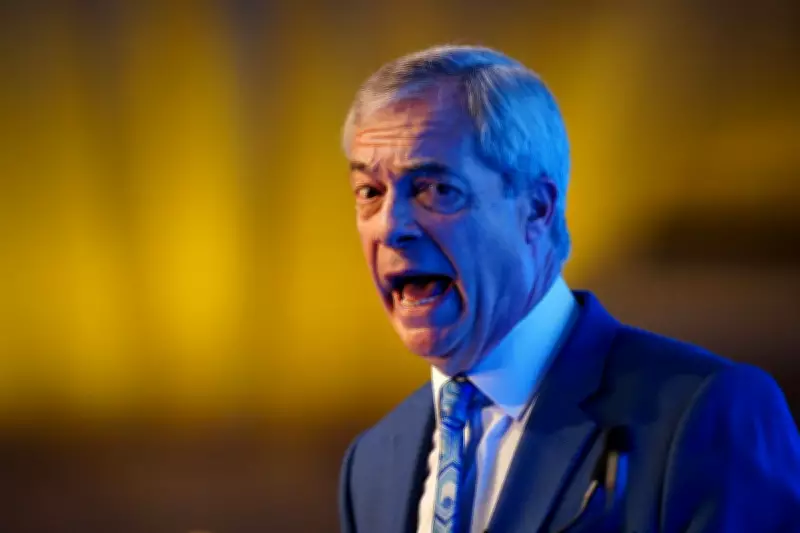
Reform UK leader Nigel Farage has reportedly ceased creating personalised videos on the Cameo platform after an investigation raised serious concerns about the nature of his content. The inquiry alleged that Farage filmed material supporting an alleged neo-Nazi event, repeatedly employed extremist slogans, and made derogatory sexist comments. His Cameo profile currently displays a message stating he is 'unavailable', with an insider citing 'security concerns' as the reason for this temporary suspension.
Reform UK Defends Farage Amidst Growing Controversy
In response to the allegations, Reform UK has come to Farage's defence, arguing that given the high volume of videos he produces, 'occasional mistakes' are inevitable and should not be interpreted as deliberate political statements. The party emphasised that Farage's activities on Cameo are primarily for personal income and not intended to reflect official party positions. However, critics have pointed out that this incident adds to a pattern of controversial behaviour associated with Farage's use of the platform.
History of Controversy Surrounding Farage's Cameo Videos
This is not the first time Nigel Farage's Cameo videos have sparked outrage. Previously, he was deceived into paying tribute to convicted paedophile Ian Watkins, highlighting ongoing vulnerabilities in his video production process. The latest allegations have intensified scrutiny on Farage's online activities, raising questions about accountability and the potential impact on his political credibility. As the investigation unfolds, stakeholders are calling for greater transparency and oversight to prevent similar incidents in the future.

The pause in Farage's Cameo service comes at a sensitive time for Reform UK, as the party seeks to maintain its public image ahead of potential electoral challenges. Observers note that while the platform offers a lucrative side income for politicians, it also poses significant risks if content is not carefully monitored. The situation underscores broader debates about the intersection of social media, personal branding, and political responsibility in modern politics.