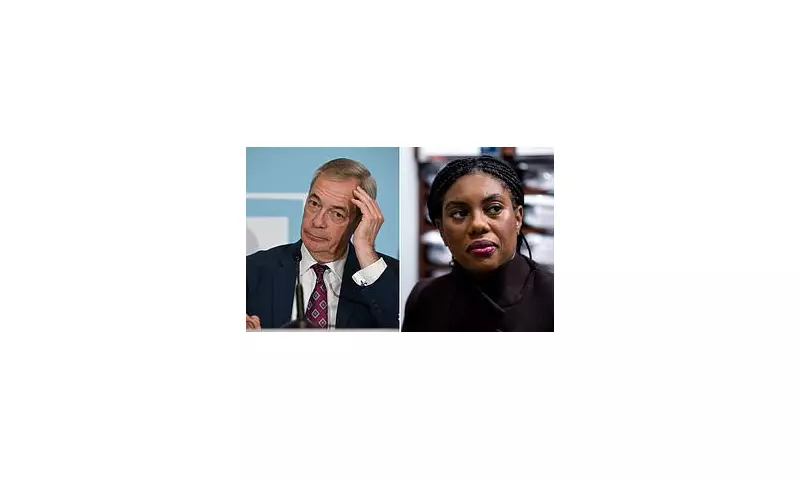
Nigel Farage has privately indicated to financial backers that he anticipates striking an electoral agreement with the Conservative Party, signalling doubts about Reform UK's ability to secure power independently. The right-wing leader is said to support the move to smooth his party's path to victory at the next General Election.
The Shape of a Potential Deal
According to one donor, Farage outlined that any arrangement could take one of two forms. The first option is a full merger to create a new 'mega party' on the right. The second is a formal cooperation pact between the two distinct groups. However, the source emphasised that the Reform UK leader has been adamant that such a move would only proceed on his own terms.
This perspective appears to be a recurring theme. Another associate informed the Financial Times that in recent months, Farage has described a pact or merger as 'inevitable'. This follows earlier reports from a source close to Farage, who told The Mail on Sunday he would be open to leading a right-wing 'mega party' alongside former Prime Minister Boris Johnson.

Conservative Resistance and Polling Reality
The Conservative Party has publicly rejected talk of such an alliance. One shadow frontbencher derisively compared the idea to a 'dysfunctional marriage'. This resistance comes despite a stark political landscape. Current opinion polls show the Tories languishing at around 17%, while Reform UK commands support in the high twenties.
Nevertheless, significant hurdles remain for Reform. The party faces the considerable challenge of converting its polling momentum into parliamentary seats and ultimately the keys to 10 Downing Street. Within Farage's camp, there is a palpable fear that a split in the right-wing vote could allow Labour to remain in power, should liberal and left-leaning voters unite.
Farage's Denial and Defiant Stance
Publicly, Nigel Farage has denied making the specific comments about a deal, suggesting that 'sometimes people hear what they want to'. He struck a more confrontational tone in comments to the Financial Times, stating: 'I would never do a deal with a party that I don't trust. No deals, just a reverse takeover. A deal with them as they are would cost us votes.'
He added a stark prediction: 'After next May, the Conservatives will no longer be a national party.' The Tories have indeed struggled to regain momentum since their heavy defeat to Labour in July of last year. In contrast, Reform has grown its support by adopting firm stances on issues like immigration and crime.
The speculation about a merger emerges just days after three former Conservative MPs defected to Reform UK. Jonathan Gullis, Lia Nici, and Chris Green – all ousted from their seats in the last election – accused their former party of 'losing trust' with voters. A Reform source declared: 'The Conservative Party is dead. Only Reform can beat Labour at the next election as the polls show time and time again.'
These defections are the first since Danny Kruger MP left the Conservatives for Reform in September. The moves present a fresh challenge for Tory leader Kemi Badenoch, despite allies hoping her well-received Budget response and attacks on Labour were beginning to turn the party's fortunes.