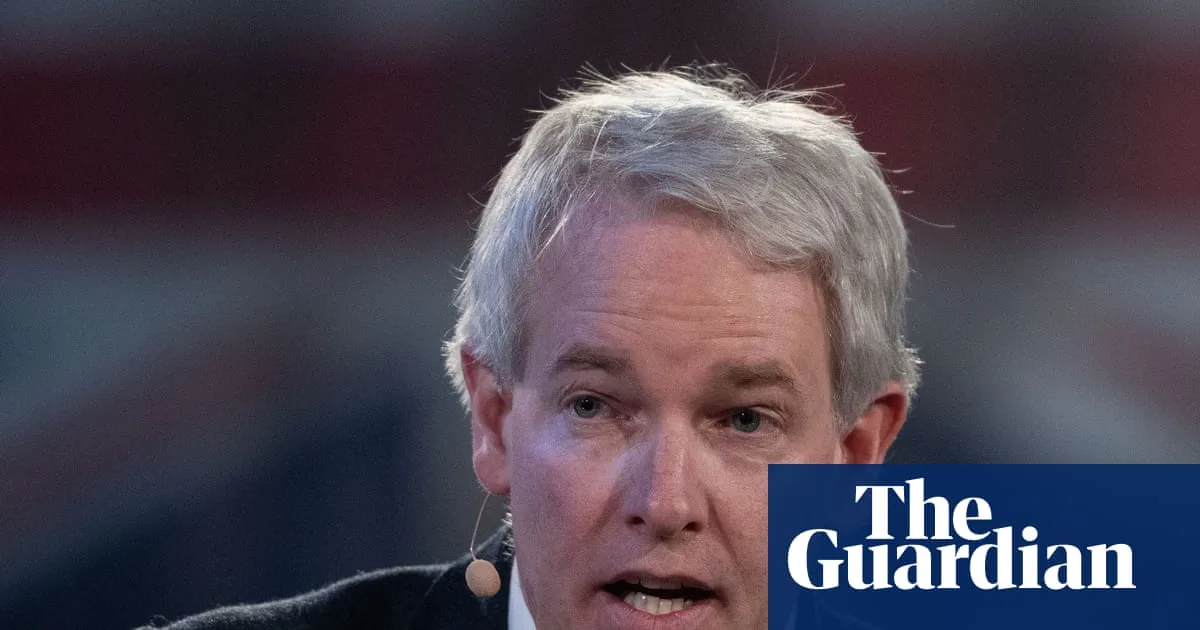
Reform UK MP Danny Kruger has said the United Kingdom is 'suffering from having a totally unregulated sexual economy' and indicated the party could play a 'limited but important role' in resetting sexual culture. In an interview with the House magazine, the former Conservative MP expressed a 'pronatalist ambition' for the party, seeking policies to encourage higher birth rates, including potential tax system changes based on households rather than individuals.
Kruger, who defected from the Conservatives, said he would personally support reversing the 2022 introduction of no-fault divorce, which he argued 'basically means that your vows don't matter'. However, he acknowledged that reversing the change might not become party policy. He emphasised that policy is 'critically important to the way families form' and suggested tax reforms could encourage partners to file household returns instead of individual ones.
Kruger denied that Reform UK is a divisive party, stating: 'The total opposite is the case. The only chance of unity for our country is Reform.' He warned of potential widespread anger if the party does not win the next election. The party's slogan, 'family, community, country', reflects a move away from 'total liberal individualism', he said.
A Labour Party spokesperson criticised Kruger's comments, saying: 'Reform's team of men repeatedly telling women how they should lead their lives should be concerning to everyone.' The spokesperson cited policies such as taxing childless women more and abolishing the Equality Act as reminiscent of 'The Handmaid's Tale'.