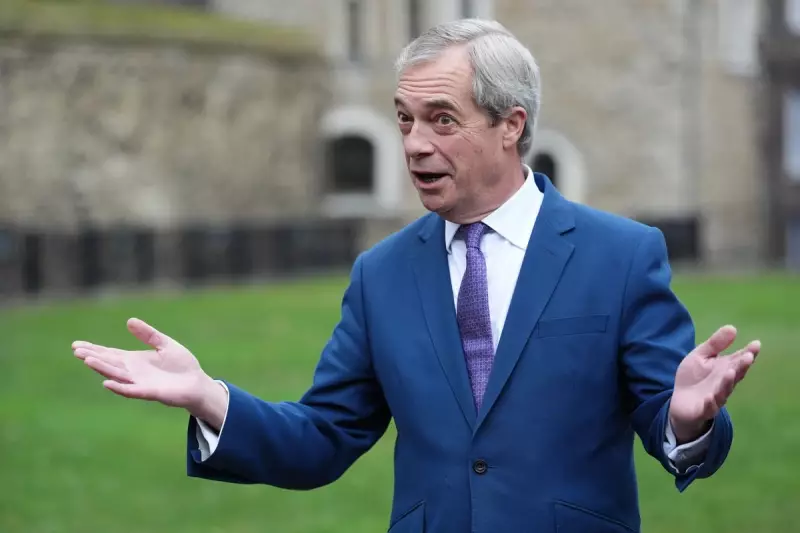
Nigel Farage, the leader of Reform UK, has been formally found to have breached the parliamentary code of conduct on seventeen separate occasions. The breaches relate specifically to the late declaration of significant outside earnings, totalling more than £380,000.
Parliamentary Standards Commissioner Issues Verdict
The findings were delivered by Daniel Greenberg, the parliamentary commissioner for standards, who investigated the financial interests of Mr Farage. The MP, who was elected in July 2024, was required to register these earnings in a timely manner as part of the transparency rules governing all members of parliament.
Details of the Financial Breaches
The seventeen identified breaches all concern a failure to declare external income on schedule. This substantial sum, exceeding £380,000, represents earnings from various roles and engagements outside of Mr Farage's parliamentary duties. The commissioner's report underscores a pattern of delayed submissions rather than a complete failure to declare.

Reform UK has officially declined to comment on the commissioner's verdict. However, a source within the party acknowledged the fact of Mr Farage's late declarations, suggesting an awareness of the procedural lapses.
Political Reaction and Criticism
The Labour Party has seized upon the findings to criticise the Reform UK leader. In a statement, Labour accused Mr Farage of being distracted from his core responsibilities and neglecting his duties as an MP while simultaneously "lining his pockets" through his various external employment commitments.
A Counter from Farage Allies
In response to the criticism, an ally of Nigel Farage pointed to similar conduct from other political figures. They highlighted that Sir Keir Starmer, the Labour leader, had himself admitted to eight late declarations of financial interests prior to the last general election. This comparison is likely intended to contextualise the breaches as a broader issue rather than one isolated to Mr Farage.
The case brings renewed scrutiny to the systems governing MPs' financial transparency and the enforcement of the parliamentary code of conduct. It raises questions about accountability and the consistency with which standards are applied across the political spectrum in Westminster.