
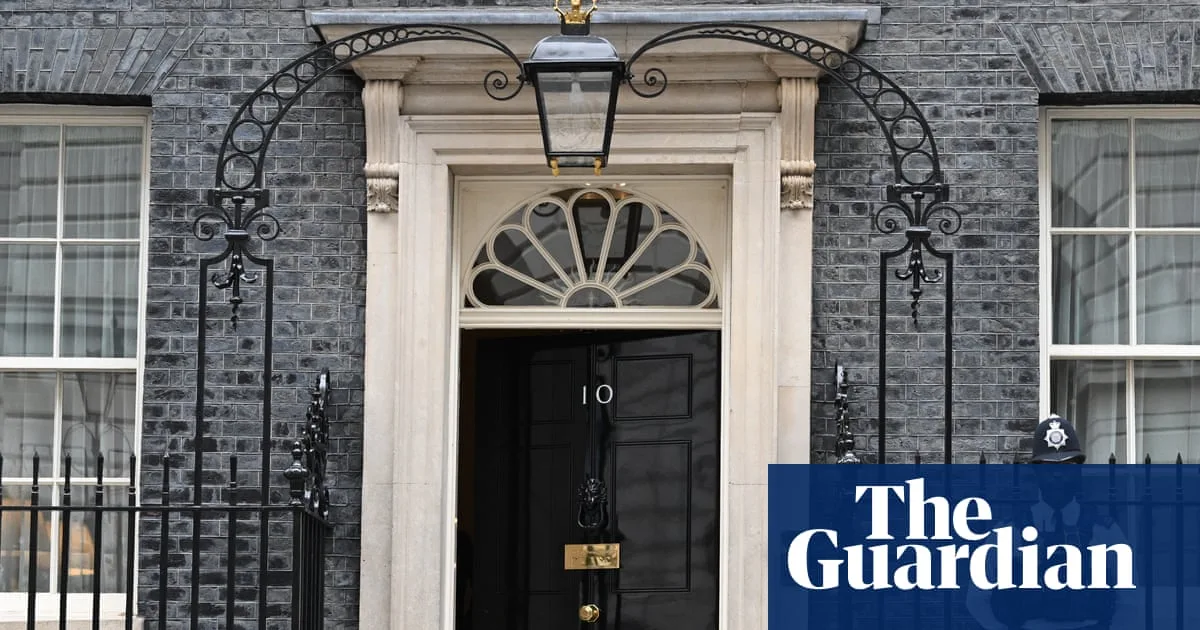
Downing Street has announced it is scrapping afternoon press briefings for political journalists, a move that has been condemned by the lobby as a blow to transparency and scrutiny.
Under the current system, Number 10 holds two briefings on most days that Parliament sits, allowing journalists to question the prime minister's official spokesperson. However, in an email on Thursday, Tim Allan, Downing Street's executive director of communications, said afternoon briefings would end from next month, to be replaced by "occasional" press conferences with ministers and technical briefings with officials.
Allan said the morning lobby briefing would continue but could sometimes be replaced by a press conference with ministers, or possibly the prime minister, Keir Starmer, setting out the main government announcements of the day. These would be open to specialist journalists and social media content creators.
The change was sharply criticised by David Hughes of PA News and Lizzy Buchan of the Mirror, the outgoing and incoming chairs of the lobby, in a joint statement. They said: "We are greatly concerned by this step and furious that the lobby was not consulted about this move which restricts access and, we fear, scrutiny. Downing Street has promised more ministerial press conferences but they will obviously control the timetable for those and will no doubt seek to choose who they take questions from."
Defending the move, Allan said the media landscape had been "utterly transformed" and that the afternoon lobby had become "very sparsely attended", often repeating lines from the morning briefing. He said new afternoon press conferences in No 9 Downing Street would begin with a minister setting out an announcement and taking questions on it. Morning press conferences would also be held with ministers, and occasionally the prime minister, and when these occurred there would be no lobby briefing that day.
Conservative leader Kemi Badenoch said a future Tory government would restore the afternoon briefings, adding: "Keir Starmer is running scared. This is a Labour government that hates scrutiny and blames everyone else for its failings." A Liberal Democrat spokesperson said the government would not improve communication by "drastically reducing transparency and the media's daily access", arguing that updating methods must not come "at the expense of scrutiny and accountability".




