Judicial Appointment Sparks Immediate DOJ Dismissal in Virginia Prosecutor Role
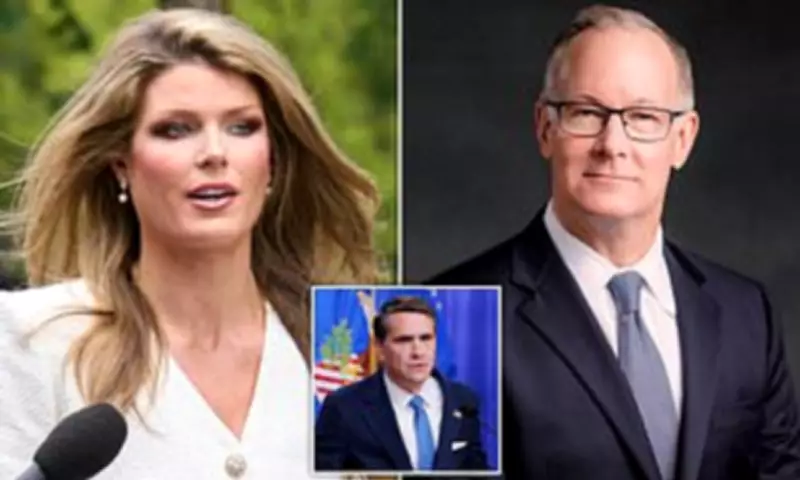
Federal judges installed a highly-experienced lawyer as the top federal prosecutor for the Eastern District of Virginia on Friday, only for the Department of Justice to fire him within hours of his appointment. James Hundley, a litigator with thirty-five years of experience, was chosen to replace Lindsey Halligan, a former beauty queen and MAGA favorite who had been serving as US Attorney.
Swift Reversal After Judicial Selection
Deputy Attorney General Todd Blanche announced Hundley's dismissal in a scathing social media post. He reposted a CBS reporter's coverage of the appointment and wrote: 'Here we go again. [Eastern District of Virginia] judges do not pick our US Attorney. POTUS does. James Hundley, you’re fired!' This dramatic move occurred just hours after Hundley took his oath of office.
The judicial appointment followed a November ruling by Judge Cameron McGowan Currie, who questioned Halligan's legal standing to serve as prosecutor. Currie determined that Attorney General Pam Bondi had already used her one permitted 120-day interim appointment for the office on Halligan's predecessor, Erik Siebert. Therefore, Halligan's appointment was deemed illegal from the start, invalidating her indictments against former FBI Director James Comey and New York Attorney General Letitia James.
Legal Authority and Precedent
Federal law explicitly grants US district judges the power to appoint prosecutors when vacancies occur and no Senate-confirmed candidate is in place. After Halligan's departure in January 2026, which followed judicial accusations that she had been 'masquerading' in the role for months, the Trump administration failed to name a successor. This prompted the district court to exercise its statutory authority by selecting Hundley.
An order from Chief Judge Hannah Lauck detailed Hundley's qualifications: a Georgetown University Law Center graduate, former Fairfax County prosecutor for six years, co-founder of a prominent litigation firm, and attorney who has successfully argued cases before the Supreme Court.
Pattern of Executive-Judicial Conflict
Hundley's near-immediate firing represents the second instance in a week where the Department of Justice has dismissed a prosecutor appointed by federal judges. Last week, Donald Kinsella was removed as interim US Attorney for the Northern District of New York. Kinsella had been chosen by judges to replace John Sarcone III, another Trump ally serving unlawfully according to judicial determination.
Kinsella indicated in a Law.com interview that he likely wouldn't challenge his dismissal, stating: 'It's not important what my position is. There's a statute that authorizes the judges to fill the position, and the president hasn't nominated anyone. The judges decided that they wanted to fill the position. That's their prerogative.'
Broader Constitutional Clashes
The prosecutor dispute unfolded alongside significant Supreme Court action on Friday. In a 6-3 decision, the Court struck down President Trump's sweeping global tariffs, ruling he lacked authority under the International Emergency Economic Powers Act. Chief Justice John Roberts wrote the majority opinion, joined by Trump-appointed justices Neil Gorsuch and Amy Coney Barrett.
Trump responded angrily on Truth Social, criticizing the conservative justices he appointed: 'What happened today with the two United States Supreme Court Justices that I appointed against great opposition... never seems to happen with Democrats. They vote against the Republicans, and never against themselves.'
Hours after the ruling, Trump signed an executive order instituting a new 10 percent global tariff under different authority, though this measure can only remain effective for 150 days without congressional approval.
Hundley has not publicly commented on his firing. The ongoing tension between federal judiciary and executive branch continues to shape appointments and policy implementation across multiple fronts of government.