Conservative Party Condemns Green Proposal for Dog Licence Revival
The political landscape has been set ablaze with controversy as the Conservative Party launches a fierce attack against the Green Party over its policy to reintroduce dog licences across the United Kingdom. This contentious issue has emerged in the wake of the recent Crufts dog show scandal, raising urgent questions about the state of British dog ownership and animal welfare standards.
Tory Opposition and Green Defence
Victoria Atkins, the Conservative shadow environment secretary, has vehemently criticised the Green Party's initiative, accusing them of attempting to place dog owners on what she describes as "a very expensive lead" and potentially rendering dog ownership unaffordable for many families. However, Green Party representative Zack Polanski has defended the proposal, arguing that responsible pet ownership should involve proper regulation and accountability.
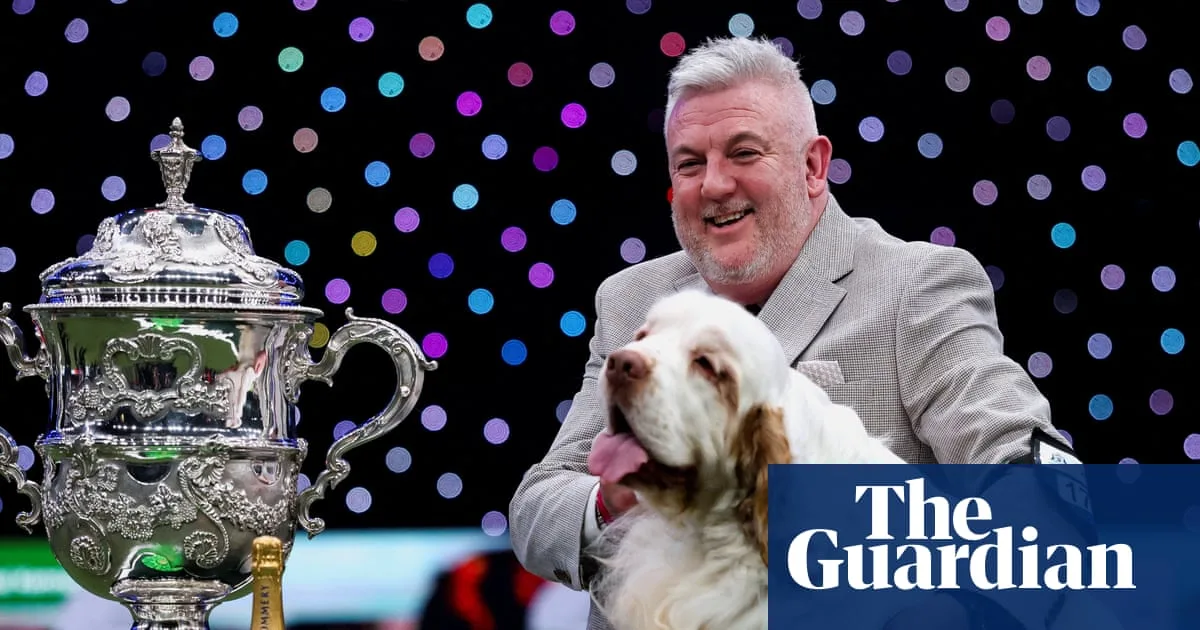
The debate has intensified following revelations about Lee Cox, the handler and owner of this year's Crufts champion, who narrowly avoided imprisonment for animal cruelty offences in the early 2000s. While the Royal Kennel Club has stated this was an isolated incident from twenty-five years ago and highlighted Cox's subsequent unblemished record, the controversy has nonetheless cast a shadow over the prestigious canine competition.
The Case for Canine Regulation
Proponents of dog licensing argue that such measures could significantly improve animal welfare standards across Britain. With widespread complaints about irresponsible dog ownership behaviours – including failure to clean up after pets and allowing dogs to approach strangers without restraint – many believe licensing could encourage greater responsibility among pet owners.
The pandemic dog adoption surge has further complicated the landscape, with many animals subsequently abandoned or returned to rescue centres. Despite mandatory microchipping requirements introduced for dogs in 2016, numerous pets continue to be found without identification or proper registration, highlighting systemic issues in the current system.
Personal Perspectives on Pet Ownership
Many dog owners have shared their experiences with the challenges of responsible pet guardianship. One owner described adopting a dog abandoned at just seven months old, wearing only a collar and chain, now thriving in a loving home. The financial realities of pet ownership have also come under scrutiny, with annual pet insurance premiums often exceeding four hundred pounds – substantially more than Ireland's lifetime dog licence fee of one hundred and seventeen pounds.
Organisations like Battersea Dogs and Cats Home have reported overwhelming demand for rescue dogs, with waiting lists reaching five thousand applicants at times. Meanwhile, charities such as Serbia's Forgotten Paws continue their vital work rehoming abandoned animals, while television programmes like Channel 4's The Dog House reveal the complex realities of pet adoption in contemporary Britain.
Political Implications and Public Response
The dog licence controversy has emerged following the Green Party's surprising performance in the Gorton and Denton by-election, with political analysts suggesting Conservative attacks represent an attempt to undermine Green momentum. However, public opinion appears divided, with many dog owners expressing willingness to accept reasonable licensing requirements if they genuinely improve animal welfare standards.
Alternative approaches to dog ownership have gained popularity through platforms like Borrow My Doggy, which allows people to enjoy canine companionship without full-time responsibility. Meanwhile, charities including DOTS and The Cinnamon Trust provide crucial support for pet owners facing financial or practical difficulties in caring for their animals.
As the debate continues to unfold, fundamental questions remain about balancing animal welfare with owner affordability, and whether regulatory measures can effectively address the complex challenges of modern pet ownership in Britain.