UK's £1.8bn Digital ID Scheme to Have Limited Initial Use Before Election
The UK government's ambitious £1.8 billion digital ID scheme will only be available for a handful of uses by the time of the next election, including paying vehicle tax and conducting right-to-work checks, according to Darren Jones, the minister in charge of the project. Speaking to reporters on Tuesday, Jones, who serves as the prime minister's chief secretary, outlined that while the app is intended to eventually cover a wide range of services—from claiming benefits to proving voting rights—most of these applications will not be implemented until the next parliamentary term.
Initial Rollout and Public Consultation
Launching a public consultation on the digital ID initiative, Jones acknowledged that its initial functionality would be relatively limited, despite the project's annual cost matching the entire budget of the Cabinet Office from the previous year. He stated, "There will be some simple things that will come forward by the end of the parliament: maybe tax disc payments; some administrative tasks; the right-to-work check will be available if you want to use it from 2029." However, he emphasized that more significant applications, such as accessing childcare systems, pension statements, or HMRC data, represent a "big prize" for the next parliament, requiring time to develop and deploy effectively.
The government plans to spend the next eight weeks consulting the public on potential uses for the digital ID and addressing concerns about its implementation. This process will include a "people's panel" of 100 randomly selected citizens from across the country, who will have the opportunity to vote on the scheme at the conclusion of the consultation. Jones highlighted that this approach aims to ensure the system is "easy, simple and accessible to everybody," addressing current inequities where more persistent individuals often receive preferential access to services due to bureaucratic hurdles.

Evolution of the Digital ID Project
Originally announced by Keir Starmer last year, the digital ID scheme was initially proposed as a mandatory right-to-work document to prevent illegal migrant labor. However, the scope has since shifted significantly, with ministers abandoning the idea of making it compulsory and instead focusing on its potential to enhance public services. Jones explained that the digital ID could help eliminate unfair advantages for "pushy" people who navigate government bureaucracy more effectively, ensuring a more equitable distribution of services.
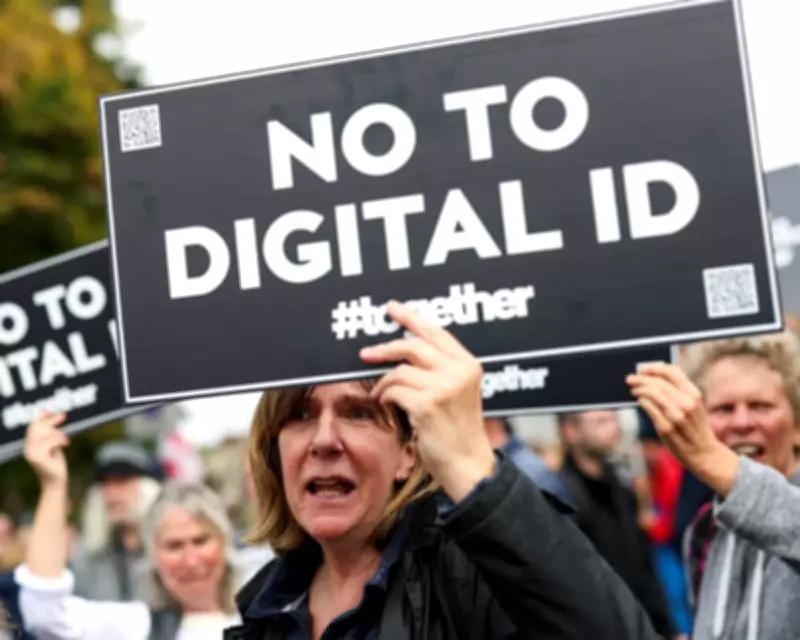
Inspiration for the project has been drawn from countries like Estonia, where a single digital ID is used for accessing health records, signing documents online, claiming benefits, and making tax payments. Despite this ambitious vision, the UK's rollout will be more cautious initially, with ministers mindful of public opposition. Recent polls indicate that 40% of people oppose the digital ID concept, compared to 32% who support it, prompting a phased approach to implementation.
Future Expansion and Parliamentary Oversight
Jones confirmed that any future expansion of the digital ID app beyond its initial uses would require parliamentary approval. He stated, "I expect to build in a mechanism that means that government and any future government will have to be back to parliament for a check and balance and approval for each service that comes onto the app in the future." This safeguard is designed to ensure transparency and accountability as the scheme evolves, addressing potential voter concerns and maintaining public trust in the digital transformation of government services.