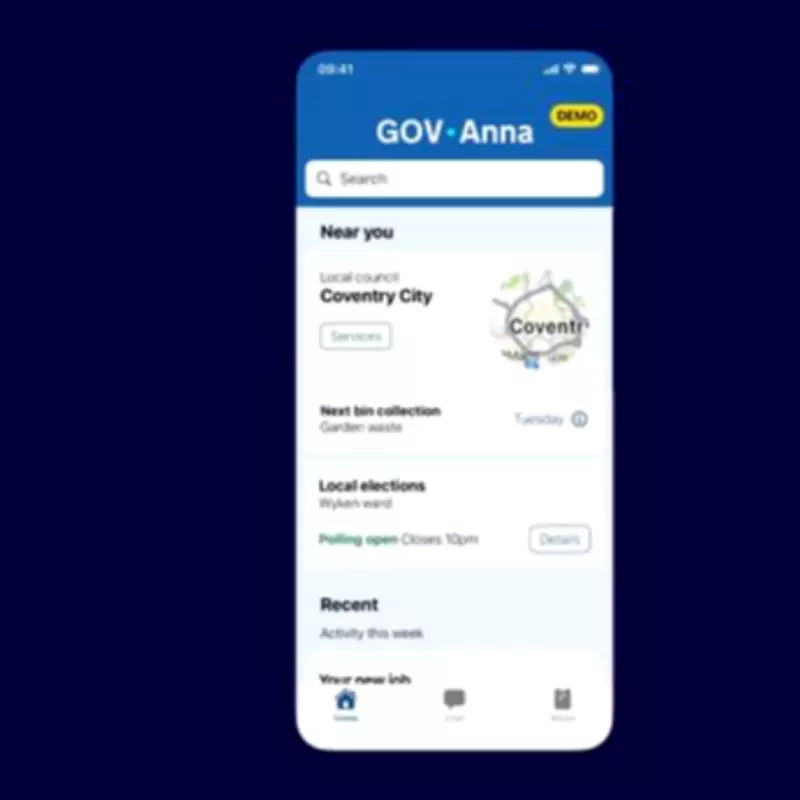
In a significant policy shift, the government has unveiled rebranded plans for a digital identity system, now termed "Government by app," following substantial backlash against earlier mandatory proposals. This move comes after Prime Minister Keir Starmer initially announced in September that digital ID cards would be compulsory for proving the right to work, as part of a crackdown on illegal employment. However, those plans were swiftly abandoned after intense criticism from campaigners and MPs, who raised alarms over potential infringements on privacy and civil liberties.
Voluntary Approach Emphasised in Relaunch
During a Downing Street press conference, Darren Jones, the Prime Minister's chief secretary, presented a prototype of the new "Government by app" initiative. He stressed that the revamped scheme focuses on the benefits of digital accounts, allowing citizens to interact with public services with the same simplicity and security as online banking. Unlike the previous mandatory framework, employees will now have a choice: they can use a government-issued digital ID, a passport, an E-visa, or alternative methods for right-to-work checks, which employers must enforce by the end of the current Parliament.
Key Features and Services of the Digital ID App
The app, to be developed in-house by the Government Digital Service, aims to streamline various public interactions. Users will be able to renew vehicle tax, manage childcare entitlements, check bin collection schedules, and even verify their identity at polling stations. Over time, additional services will be integrated, though health-related functions will remain exclusively within the NHS app to maintain separation.

Mr Jones highlighted the frustrations many face with current public services, stating, "People too often dread their interactions with public services. Endless telephone calls, complicated printed forms and having to tell your story multiple times to different parts of Government. I want to change that and make public services work for you." He added that the digital ID will enable quicker, easier, and more secure access to these services.
Addressing Concerns and Cost Implications
In response to earlier privacy worries, Mr Jones assured that the government "will not leave people behind," pledging support for those less tech-savvy or preferring traditional methods. He also argued that the digital ID system could lead to significant taxpayer savings by enhancing efficiency. For instance, he noted that the DVLA processes 45,000 letters daily, Defra uses 500 different paper forms, and HMRC handles over 100,000 phone calls each day.
While the budget watchdog has estimated the project's cost at £1.8 billion over three years, Mr Jones suggested potential savings of "billions" through streamlined operations. An eight-week consultation has been launched to gather public input, including a "people's panel" of 100 representative individuals from across the UK. This panel will help decide on aspects such as the name of the digital ID, its design, and the minimum age for obtaining one.
Future Timeline and Legislative Steps
Following the consultation, legislation will be introduced to formalise the scheme. The app is expected to be operational for right-to-work checks starting in 2029, marking a phased rollout that prioritises user choice and accessibility. This relaunch represents a cautious yet ambitious step toward modernising public service delivery, balancing innovation with concerns over digital inclusion and civil liberties.