Airport Chaos Signals Deepening Crisis as DHS Shutdown Enters 40th Day
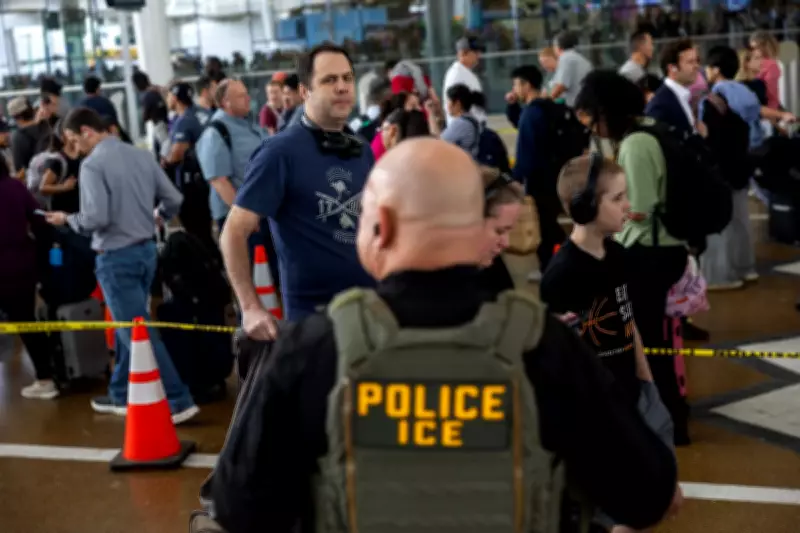
The extensive queues and flight delays witnessed at airports nationwide represent merely the surface of a rapidly escalating crisis triggered by the partial government shutdown of the Department of Homeland Security. Now in its 40th day, this funding impasse is severely disrupting critical operations, with senior officials issuing stark warnings about the impending FIFA World Cup and the degradation of U.S. cybersecurity defenses.
Staffing Collapse at TSA Fuels Airport Gridlock
Acting TSA Administrator Ha Nguyen McNeill informed lawmakers that the agency has lost over 480 officers to resignations since the shutdown commenced in mid-February. Many remaining staff are unable to report for duty due to financial hardship caused by the lack of pay. This exodus has resulted in unprecedented security checkpoint delays, with some passengers enduring waits exceeding four hours.
McNeill emphasized that even an immediate resolution to the shutdown would be too late for the World Cup, stating that new hires could not be trained in time for the tournament beginning in June. "Those officers would not be able to work on the checkpoint until well after the World Cup has concluded," she testified, raising the alarming prospect of airport terminal or security lane closures if the stalemate persists.

World Cup Security Preparations Grind to a Halt
With the United States set to host millions of international visitors for the 2026 FIFA World Cup, DHS officials confirmed that vital security planning has been critically disrupted. Congress was warned of a "potential perfect storm" combining a severe shortage of frontline personnel with a massive surge in travel for the games.
The Coast Guard, a key player in maritime security for large-scale events, has been incapacitated. Vice Commandant Admiral Thomas Allen revealed insufficient funding has plagued operations for 85 of the past 176 days. The agency has also halted the issuance of over 16,000 Merchant Marine credentials, with a backlog growing by 300 daily.
"We know through experience, it will take us about two-and-a-half days to recover from every day we are in a shutdown," Allen stated, indicating a recovery timeline exceeding three months even if funding were restored immediately.
Cybersecurity and Disaster Response Capabilities Eroded
Nicholas Andersen, acting deputy director of the Cybersecurity and Infrastructure Security Agency, reported that approximately 60 percent of CISA's workforce is furloughed or unable to work. While active threat monitoring continues, long-term risk-reduction initiatives have been suspended.
"The result is simple: risk is accumulating across the system," Andersen declared, highlighting the growing vulnerability of national infrastructure.
Concurrently, FEMA officials warned that the Disaster Relief Fund is being rapidly depleted, delaying recovery efforts across multiple states. Associate Administrator Victoria Barton confirmed the shutdown has forced the postponement of disaster preparedness and anti-terrorism response training for roughly 40,000 individuals, including local officials and first responders.
"These impacts are having dire rippling effects for thousands of Americans and communities across the United States waiting for assistance," Barton asserted.
Political Deadlock Deepens with No Resolution in Sight
This marks the third DHS shutdown in under a year, with Senate negotiations collapsing as Republicans and Democrats rejected each other's proposals. Democrats are pushing for increased accountability in immigration enforcement, while Republicans demand funding for the president's immigration agenda.
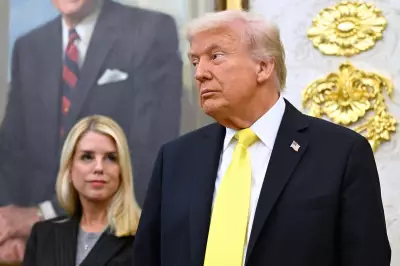
President Trump accused Democrats of creating "chaos at the airports" and labeled them "lunatics" for their "radical left asks," insisting they are "FULLY TO BLAME" for the impasse. Democrats counter that the administration refuses to address the core issues, tracing the shutdown's origins to the deaths of two U.S. citizens during DHS's Operation Metro Surge in Minnesota.
The standoff leaves critical homeland security functions in limbo, with airport chaos serving as a visible symptom of a far more systemic and dangerous national security crisis.