Democrats to Boycott Trump's State of of the Union Address in Protest
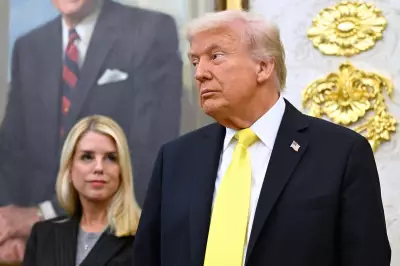
Several Democratic lawmakers have announced they will boycott Donald Trump's State of the Union address tonight, opting instead to participate in a rally on the National Mall. This move highlights growing opposition within the party to the former president's policies and rhetoric.
Widespread Boycott Among Democratic Members
So far, at least 30 Democratic members of Congress have confirmed they will skip the State of the Union. Notable figures include senators Chris Murphy of Connecticut, Chris Van Hollen of Maryland, Ruben Gallego of Arizona, and Adam Schiff of California. Additionally, progressive representatives such as Pramila Jayapal, Maxwell Frost, and Greg Casar are among those joining the boycott.
Alternative Event: The People's State of the Union
The boycott coincides with an alternative event dubbed the People's State of the Union, which is being coordinated by the progressive media network MeidasTouch and the liberal advocacy group MoveOn. This rally aims to provide a counter-narrative to Trump's address.

Attorney and commentator Katie Phang, along with former anchor Joy Reid, will co-host the event. Organizers state that the rally will focus on spotlighting federal workers, immigrants, and Americans who have been affected by the policies of the Trump administration.
Statements from Lawmakers
In a statement explaining his decision, Senator Chris Van Hollen said, Trump is marching America towards fascism, and I refuse to normalize his shredding of our Constitution and democracy. This cannot be business as usual. This sentiment reflects the broader concerns among Democrats about the implications of Trump's leadership.
Other lawmakers have echoed similar views, emphasizing that their boycott is a form of protest against what they perceive as threats to democratic norms and values.
Coverage of Counter-Protests
As the State of the Union address proceeds, colleagues will be covering the latest developments from the counter-protests and rallies, providing updates on the scale and impact of the Democratic boycott. This event underscores the deep political divisions in the United States as the 2024 election cycle approaches.