Charities Unite to Condemn 'Devastating' UK Aid Cuts After One Year
In a powerful joint statement, 93 non-governmental organisations (NGOs) have condemned the 'devastating' impact of a year of UK aid cuts, calling on the government to reverse what they describe as 'short-sighted' reductions. The charities warn that the consequences are being felt acutely in some of the world's most fragile regions, with families losing access to essential services like shelter, food, and clean water.
Background and Scale of the Cuts
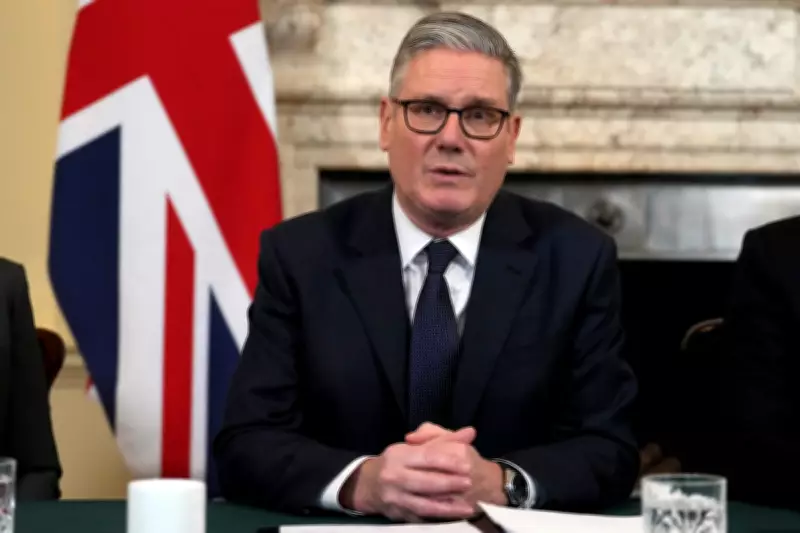
Last February, Prime Minister Sir Keir Starmer announced that Britain's Official Development Assistance (ODA) would be slashed by up to 40 per cent, falling from 0.5 per cent of gross national income to 0.3 per cent by the end of 2027. This move was justified as necessary to fund higher defence spending in response to Russia's invasion of Ukraine. However, the cut is estimated to be worth around £6 billion annually by 2027, marking a significant retreat in the UK's global aid commitments.
Humanitarian Consequences Highlighted
The joint statement from NGO leaders details severe humanitarian impacts, including the closure of lifesaving health and reproductive programmes across Africa and Asia. Romilly Greenhill, chief executive of Bond, the UK network for NGOs, emphasised that the past 12 months have left more people without access to water, sanitation, and shelter, increasing vulnerability to disease, conflict, and climate disasters. The last time UK aid was at such a low level was in 1999, when approximately 600 million people faced chronic hunger globally, compared to about 735 million today.

Disproportionate Effects on Vulnerable Groups
According to the government's own equalities impact assessment for the 2025-26 reductions, women and girls, people with disabilities, children, and communities affected by conflict are expected to be hardest hit. Rose Caldwell, CEO at Plan International UK, noted that the cuts have dealt a 'devastating blow' to children already struggling with climate change and conflict, disrupting their childhoods and education. She added that efforts to erode hard-won rights for children, especially girls, are gaining ground, urging the UK to stand up for their futures.
Health and Reputational Damage
The ONE Campaign estimates that reductions to global health initiatives like Gavi and the Global Fund to Fight AIDS, Tuberculosis, and Malaria could cost a combined 620,000 lives. Adrian Lovett, the group's UK executive director, argued that the cuts have 'failed on their own terms,' neither plugging the defence budget gap nor increasing Labour's popularity with voters, who largely support investment in international health programmes. Additionally, a recent analysis by the Centre for Global Development suggests the UK is shrinking its aid budget faster than the United States, potentially weakening Britain's global credibility and influence.
Calls for Reversal and Policy Change
With Britain set to engage in global development and finance discussions this year, NGO leaders are urging ministers to reverse the reductions and ensure poverty reduction remains central to UK aid policy. They warn that the UK's retreat from international development could reverse hard-won progress and damage its reputation on the world stage, calling for a restoration of the UK's position as a principled and reliable development partner.