Political Pressure Mounts for Gas Tax as Fuel Prices Soar in Australia
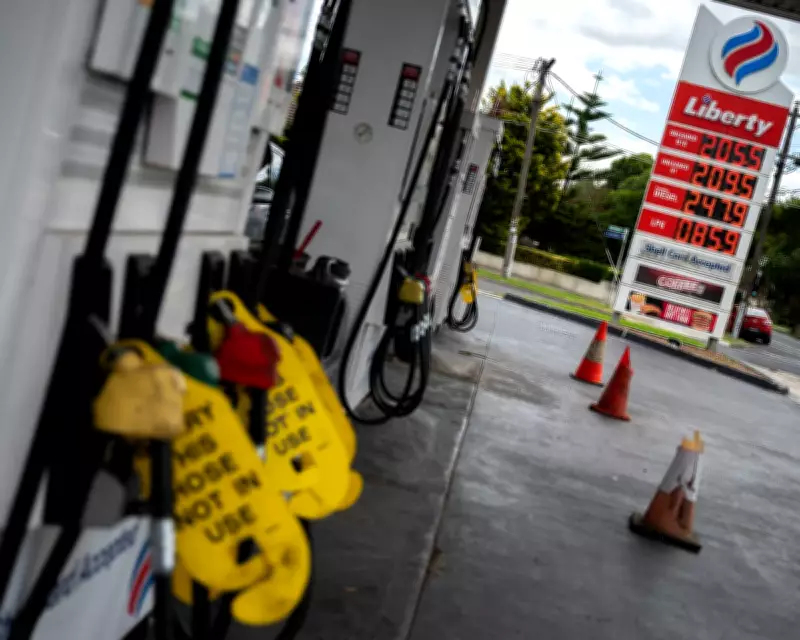
The Albanese government faces mounting political pressure to implement a tax on the gas industry or demand significantly higher payments from energy companies, as fuel prices continue to escalate across the nation. The Greens, independents, and One Nation have united in their calls for action, warning that failure to seize this moment could lead voters to direct their anger toward the federal administration.
The Shifting Narrative on Gas Taxation
Independent senator David Pocock recently highlighted in the Senate that Australians pay more in beer excise than gas companies contribute through the petroleum resources rent tax (PRRT). This revelation underscores how dramatically the political landscape has transformed regarding energy taxation. Even smokers contribute more excise than gas firms pay in PRRT, exposing significant gaps in current fiscal policies.
Historical context reveals that when LNG production commenced at the Gladstone terminal in 2014, wholesale gas prices in eastern and south-eastern Australia more than doubled within six months. Since gas prices directly influence electricity costs, this triggered broader energy price increases. The situation worsened following Russia's invasion of Ukraine, which caused global gas prices to spike, further impacting Australian consumers.

The Windfall Profits Dilemma
Australia's unique position as an energy-exporting nation that minimally taxes LNG exports has become increasingly contentious. Gas exporters have accrued an estimated $128 billion in additional revenue since the Ukraine conflict began, compared to what they would have earned at pre-invasion price levels. These windfall profits, being unexpected, could be taxed without affecting business decisions, yet the government has thus far resisted such measures.
The gas industry represents approximately 8% of all operating profits in Australia but contributes only about 0.5% of private sector wages. This disparity has fueled public discontent and political momentum for reform.
Broad Political Support for Taxation
The Australian Council of Trade Unions (ACTU) has proposed a 25% tax on gas exports, which research suggests could raise around $17 billion annually. This proposal has garnered support from Senator Pocock, the Greens, and independent MPs including Allegra Spender, Zali Steggall, and Kate Chaney. Even One Nation has advocated for substantially increased royalties from the gas industry.
Recent polling indicates strong public backing for such measures, with One Nation voters showing the highest support for a 25% gas export tax. This reflects a significant shift in political calculus, where taxing gas companies is now viewed as sensible rather than risky.
Government Response and Internal Dissent
When questioned about implementing a tax to capture windfall profits from conflicts in Ukraine and Iran, Treasurer Jim Chalmers pointed to previous PRRT adjustments made in the May 2023 budget. However, these changes were celebrated by the gas industry, and subsequent PRRT estimates have fallen dramatically, contradicting claims that the industry now pays "extra billions of dollars sooner."
Government backbench MP Ed Husic delivered a scathing critique in Parliament, stating, "we don't have a shortage of supply; we have a glut of greed." He emphasized the "red-hot anger" felt by voters across political persuasions regarding gas company profiteering, highlighting the urgency for governmental action.
The Electoral Imperative
Voters in recent elections have demonstrated that no political seat is safe, demanding responsiveness from their representatives. As fuel prices rise nationwide, the perception that Australians are missing out on fair energy taxation grows, potentially translating into electoral consequences for the government.
The Albanese administration must overcome its apprehension toward the gas industry and address public concerns in the upcoming May budget. Failure to act could see voter frustration with gas companies redirected toward the government itself, underscoring the critical nature of this political moment.