
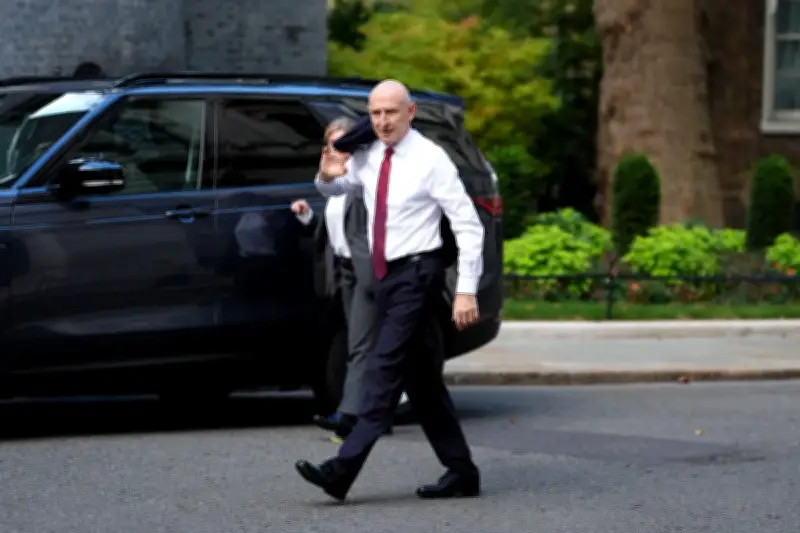
Chancellor John Healey is preparing to deliver the Autumn Budget on Wednesday, October 28, in the House of Commons shortly after midday following Prime Minister's Questions. This will be the first Budget under Prime Minister Andy Burnham and is expected to clarify Labour's economic priorities and how they will be funded.
Key Details and Confirmed Policies
Mr Healey, appointed Chancellor on July 20, confirmed the date before Parliament went into recess. He promised a Budget that will "move money and power out of Westminster and into every postcode around Britain," and stressed the importance of "fiscal discipline," aiming to give businesses and families the stability they need to plan ahead.
The government has already announced several policies affecting household finances. State pensions will see changes to the Triple Lock from April 2030, with pensions rising in line with the highest of inflation or 2.5%, rather than by the highest of inflation, wage growth, or 2.5%. A mechanism will ensure the State Pension keeps up with earnings growth over time.
A new scheme called "Your First Home" aims to help first-time buyers, allowing those putting down a deposit of just 2.5% to access a 20% equity loan. Additionally, Prime Minister Burnham pledged to remove VAT from domestic energy bills from October 1, in a move to ease pressure on household budgets.
Potential Tax Changes and Economic Outlook
One of the biggest questions heading into the Budget is whether households and businesses will face higher taxes. Mr Burnham refused to rule out tax rises when challenged by the Tories during PMQs in September. Tax increases being considered include higher levies on banks in the City, ramping up taxes on the better-off, or a bigger Treasury cash grab from property owners.
There has been discussion around reforming inheritance tax and potentially introducing a land value tax, which would tax the value of land rather than the buildings on it. However, the government has indicated it does not intend to raise the main rates of income tax, VAT, or National Insurance. No further tax changes have been confirmed.
The Institute for Fiscal Studies highlighted the fraught choices facing the Chancellor, including the threat of more tax rises, which would likely hit London hardest, welfare cuts on a scale already rejected by Labour MPs, or significant cuts to public services. The IFS stressed that Donald Trump's Iran war meant inflation in coming years will be higher than expected in the spring, when the Office for Budget Responsibility published its most recent comprehensive report on the UK economy.
What to Watch For
Beyond the policies already outlined, further changes to inheritance tax, a possible land value tax, and additional defence spending have all been discussed, although it remains unclear whether any will feature in the Chancellor's statement. The Budget will be an important test of how the government intends to balance its spending ambitions with its promise of fiscal discipline.




