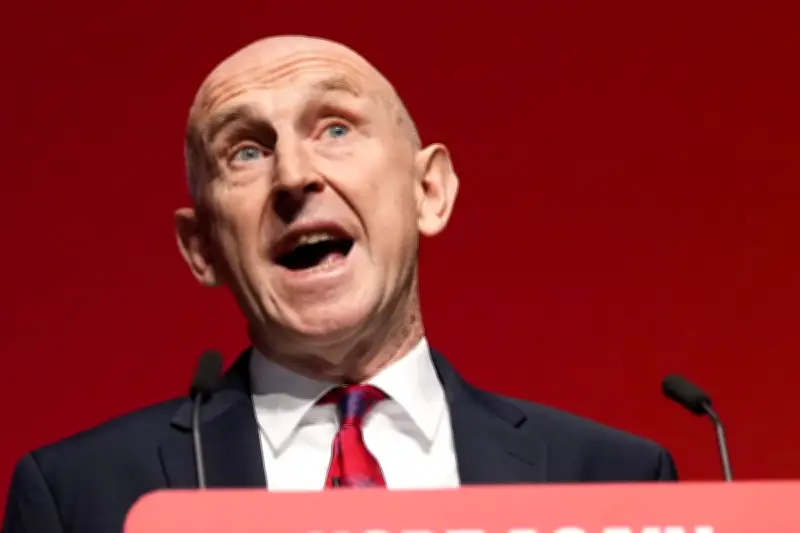
Chancellor John Healey is preparing to deliver the first Budget under Andy Burnham’s Labour Government in the House of Commons on Wednesday, October 28. He has warned the public to expect a tough Budget, with commentators anticipating tax rises.
Rising borrowing costs and international cost-of-living pressures, fuelled by the US war on Iran, mean the chancellor faces a difficult task to balance the books. Cabinet colleagues are hoping for spending boosts for their departments.
Business Rates and Online Marketplace Tax
According to The Sunday Times, Mr Healey is expected to increase the threshold at which small companies start paying business rates from £12,000 to £18,000. This would mean thousands of high-street shops, cafes, pubs and other small businesses would no longer have to pay business rates. The figures relate to "rateable value" - the estimated annual rental value of a commercial property.
The Times reports that online marketplaces like Amazon and eBay will be made responsible for collecting tax owed by all retailers selling on their platforms. The change would make websites responsible for collecting VAT at source for retailers with an annual turnover of more than £90,000, regardless of where they are based. The move could raise up to £1 billion for the Treasury and would fund the business rates cut for high-street shops.
Mansion Tax and Energy Bills
Mr Healey was reportedly proposing to expand the mansion tax, introduced by his predecessor Rachel Reeves, by reducing the threshold from properties worth £2 million to £1.5 million. However, after warnings from Labour MPs about the impact on families in the capital, it is understood the Chancellor is reconsidering the plan. "We are quietly confident it will not be brought down to £1.5 million," a London Labour source told the Standard.
Andy Burnham has already cut VAT on electricity bills, and John Healey has hinted at further relief in the Budget, telling ITV News: "Energy costs are punishing at the moment. We will do what we can in the Budget, both for business and for households, to give people a bit of breathing space." The Guardian reports that the chancellor is likely to expand the existing Warm Home Discount, which provides a yearly £150 rebate to energy bills for households receiving a qualifying means-tested benefit, with an extra £100 boost being mooted.
Bank Tax and Capital Gains
There is speculation that the chancellor will target banks in the Budget. Reversing cuts to the bank surcharge made by former chancellor Jeremy Hunt is understood to be under discussion, The Guardian reports. The move would raise more than £2 billion a year.
The mansion tax, announced by Rachel Reeves last year, will see owners of properties valued at over £2 million start paying a regular annual charge worth up to £7,500 from April 2028. The Times reported last month that the chancellor is considering lowering the threshold to £1.5 million, which would make nearly 62,000 more London homeowners subject to the tax. However, The Standard reported that London MPs are confident Mr Healey has ruled out the move.
The chancellor has rejected calls by senior Labour MPs to raise capital gains tax (CGT) to the same levels as income tax, according to The Financial Times. However, The Telegraph reports that CGT could still be raised by a smaller amount.
Fuel Duty and Business Inheritance
Rachael Reeves announced an increase to fuel duty of 3p a litre in January and 2p a litre in March. But as the US war with Iran sends oil prices surging, The Times and others are reporting that Mr Healey could be set to freeze duty in a boost for millions of motorists.
The Chancellor is reportedly considering levying income tax on business owners when they hand their company down to their children. Currently inheriting a firm can be structured so it only attracts capital gains tax, which is charged at a lower rate. Mr Healey is said to be considering scrapping a loophole that means a family can convert holdings in their business into "redeemable shares", which the firm can buy back using its profits. The current system attracts capital gains tax, charged at 24% for higher-rate payers, compared with 45% for income tax. The move, which would hit entrepreneurs wanting to retire, could generate £300 million a year for the Treasury, the Telegraph reports.