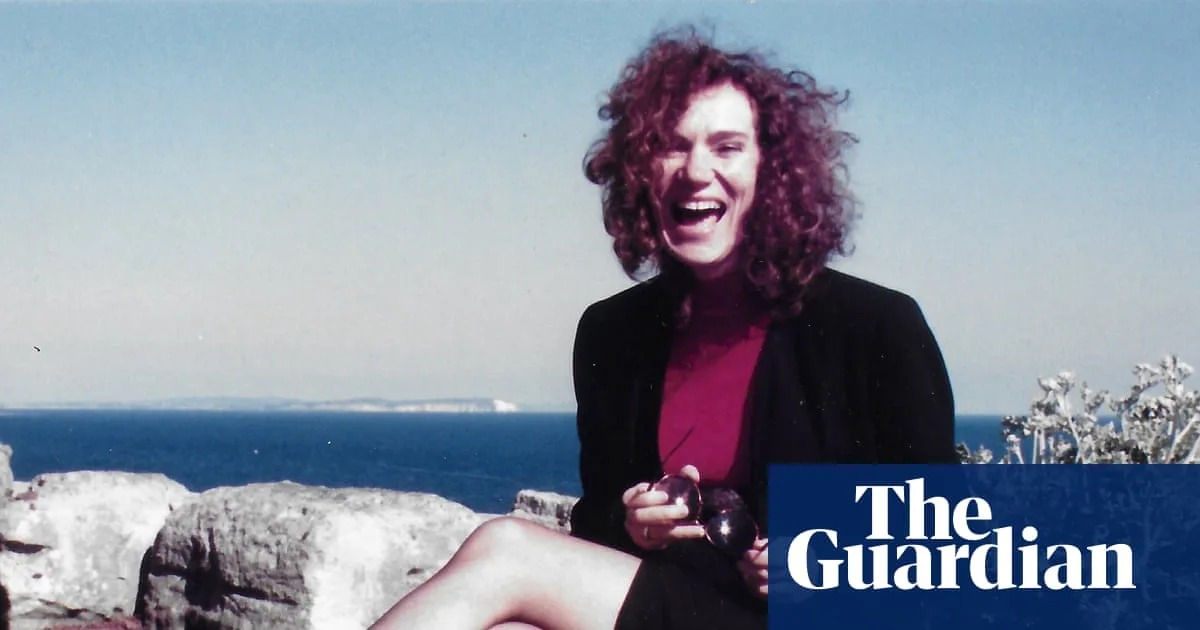
Bruni de la Motte: From East German Academic to UK Journalist and Union Leader
Bruni de la Motte, who has died aged 74, was a multifaceted figure who transitioned from an academic career in East Germany to become a journalist and trade union officer in the United Kingdom. Her life spanned significant historical events, including the fall of the Berlin Wall, and she left a lasting impact through her writing, activism, and personal vibrancy.
Early Life and Academic Career in the GDR
Born Brunhild de la Motte in a small village in Thuringia, within the German Democratic Republic (GDR), she was the daughter of Eva, a secretary, and Ernst de la Motte, an agricultural engineer. Interestingly, her parents shared the same surname despite being step-siblings, a unique family detail. Bruni attended school in Nordhausen and later pursued English studies at Potsdam University, where she excelled as a bright and passionate student. Her education was influenced by notable figures, including Marguerite Morgan, who taught her, and Prof Leonard Goldstein, a refugee from McCarthyism in the US, who served as her mentor.
After completing her doctorate in 1974, Bruni taught English literature at Potsdam University. She published academic papers in various publications, with a focus on feminism as reflected through female writers in 19th-century English literature, showcasing her early engagement with social and political themes.
Transition to Journalism and Life in the UK
In 1985, Bruni met her future husband at a Shakespeare conference in Weimar. Their relationship deepened when she traveled to Britain for research at the British Library. They married in 1989, just before the collapse of the GDR, and she relocated to London with her two young sons from a previous marriage to Colin Sherman, a fellow lecturer at Potsdam.
In the UK, Bruni freelanced as a journalist, writing for German-language newspapers such as Neues Deutschland, where she conducted in-depth interviews with prominent figures like Tony Benn and Harold Pinter. She also contributed articles to the Guardian and the New Statesman, sharing her experiences of living and working in the former GDR. Her journalism provided insightful commentary on the social and political landscape in Britain, bridging her East German background with her new home.
Activism and Later Career
In 1990, Bruni made a significant career shift, joining Unison, the public service trade union. She progressed rapidly from a secretarial role to become a national officer, working in the union's education sector department, where she advocated for workers' rights until her retirement in 2016. Post-retirement, she became a trustee of the Marx Memorial Library, actively participating in its operations. Additionally, she co-authored a book with her husband titled Stasi State or Socialist Paradise? The German Democratic Republic and What Became of It, which remains popular among students of the period, offering a nuanced perspective on GDR history.
Personal Life and Legacy
Bruni was known for her vibrant personality, often dressing in bright colours and chunky jewellery. She developed a passion for gardening, ensuring her garden bloomed year-round with flowers that reflected her love for colour. She gave interviews and contributed to podcasts about her experiences growing up in the GDR, sharing her story with wider audiences.
She is survived by her husband, two sons Robin and David, two grandchildren Melissa and Denis, three siblings Uwe, Regine and Hiltrud, and her father. Her life exemplifies resilience, intellectual curiosity, and a commitment to social justice, leaving a legacy that continues to inspire.






