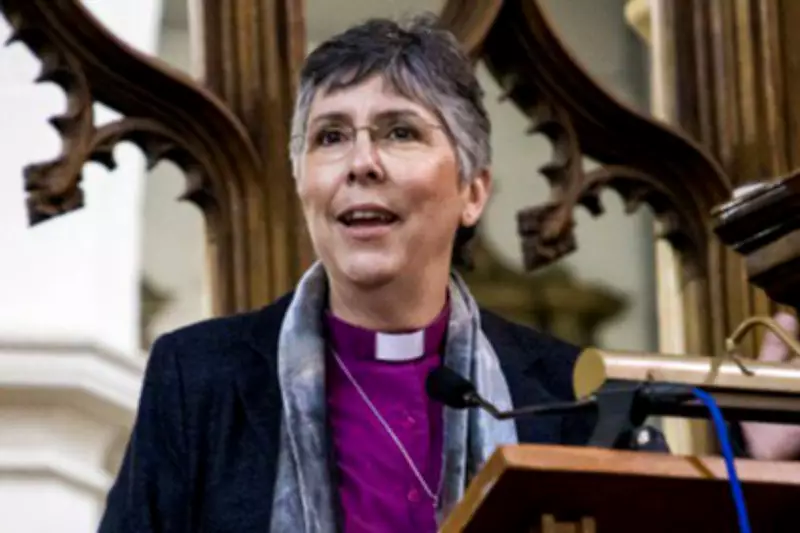
Bishop Who Fled Iran Warns of Civil War, Praises Starmer's Middle East Stance
The Bishop of Chelmsford, Rt Rev Guli Francis-Dehqani, has issued a stark warning about the potential for civil war in Iran, while praising Labour leader Keir Starmer's stance on the Middle East conflict. Drawing from her personal history as a refugee who fled Iran after the 1979 revolution, she described the current Iranian regime as being in its "death throes" but cautioned that it should not be underestimated.
Personal History of Persecution
Bishop Francis-Dehqani's family faced severe persecution following the Iranian revolution. Her father survived an assassination attempt, and her brother was murdered, events that forced the family to settle in the United Kingdom as refugees. This background informs her deep concern for the situation in Iran today, where she is unable to contact people due to the regime's crackdowns.
Praise for UK's Non-Intervention
The Bishop affirmed the United Kingdom's decision not to participate in initial US-Israeli strikes on Iran, stating it was right to uphold international law. She emphasized that any regime change must originate from within Iran, with the West providing support rather than direct intervention. This aligns with her broader views on avoiding external military actions that could exacerbate the conflict.

Warnings of Civil War and Exploitation
Expressing fears that Iran could descend into civil war, Bishop Francis-Dehqani pointed to the absence of a credible opposition and the brutal crackdown by the current regime. She also noted the presence of terrorist dissident groups that are exploiting the unrest, adding another layer of complexity to the volatile situation. Her insights highlight the precarious balance in the region and the risks of further destabilization.
In her assessment, the Bishop stressed the importance of a measured approach, warning against underestimating the regime's capabilities despite its apparent decline. Her comments come amid ongoing tensions in the Middle East, underscoring the need for careful diplomacy and support for internal movements rather than foreign intervention.