US Bill Aims to Prohibit ICE Raids Near World Cup Events
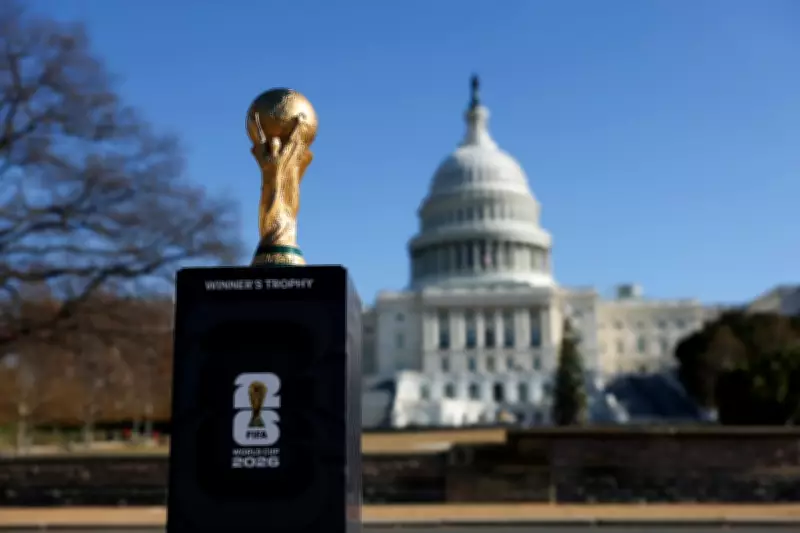
The FIFA World Cup trophy was displayed at the US Capitol in Washington DC on 3 December 2025, symbolising the upcoming tournament's significance. In response to concerns over immigration enforcement, a new legislative proposal has been introduced to safeguard the event's atmosphere.
Legislation Introduced to Ensure Safe World Cup Environment
Congresswoman Nellie Pou, a Democrat from New Jersey, unveiled the Save the World Cup bill on Thursday. This legislation seeks to block Immigration and Customs Enforcement (ICE) from conducting raids within a one-mile radius of any FIFA World Cup soccer match or fan festival in the United States this summer. The bill's introduction follows the refusal of ICE chief Todd Lyons to rule out such enforcement actions near stadiums and festivals.
Pou emphasised that the measure is designed to reassure international visitors that they will not face detention during the events, thereby removing the chilling effect that ICE operations could have on participation and enjoyment. With the first US match scheduled for 12 June, time is of the essence to implement these protections.

Growing Concerns Over Immigration Enforcement at Sporting Events
Democrats on the homeland security committee have been vocal about their worries since February, when Lyons testified at a hearing and declined to exclude enforcement actions at World Cup matches. The recent killings of Renee Good and Alex Pretti have heightened these concerns, prompting Congress members to send a letter to ICE. They highlighted the potential chilling effect of ICE presence and noted a lack of communication between the Department of Homeland Security (DHS) and event planners in host cities.
Eleven US venues are set to host World Cup games, including cities like Atlanta, Boston, Dallas, Houston, Kansas City, Los Angeles, Miami, New York/New Jersey, Philadelphia, San Francisco Bay Area, and Seattle. Los Angeles, in particular, has been a focal point of conflict over ICE enforcement, with past protests and legal battles over the deployment of military units.
Support from Lawmakers and Security Implications
The legislation has garnered support from Democratic Congress members Eric Swalwell of California and LaMonica McIver of New Jersey, both of whom serve on the House homeland security taskforce overseeing World Cup security preparations. Bennie Thompson of Mississippi, the ranking Democrat on the homeland security committee, has also backed the bill.
Swalwell, a former Division I soccer player, argued that the US should prioritise showcasing its best during the World Cup, rather than allowing police to commandeer public spaces. He stressed that the bill aims to prevent ICE from turning everyday public transportation into sites of fear for visitors.
In a related development, the DHS announced on Wednesday that it had awarded $625 million in security grants to the 11 host cities. This funding addresses local concerns about preparation, which Pou had highlighted in a recent editorial. However, it remains unclear if these funds have been distributed, as the DHS is currently shut down due to a political impasse over ICE enforcement limits.
The ongoing debate underscores the tension between immigration policy and major international events, with lawmakers striving to balance security with hospitality for the world's biggest sporting spectacle.