Incoming BBC Director-General Pledges to Rebuild Trust Amid Turbulent Times
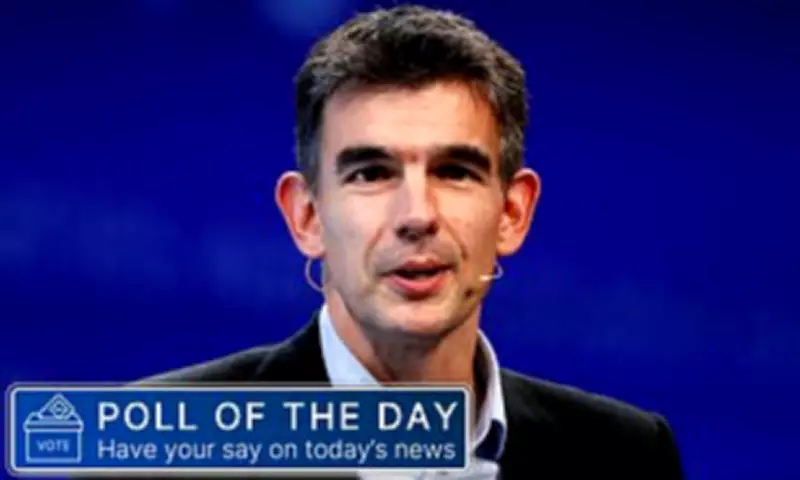
The BBC's newly appointed director-general has made a firm commitment to restore trust in the broadcaster, which is currently navigating a series of high-profile scandals and legal challenges. Matt Brittin, a former Google executive, will take over from Tim Davie during a particularly tumultuous period for the Corporation.
Challenges Facing the BBC
The BBC is grappling with a $10 billion lawsuit filed by former US President Donald Trump, alongside significant fallout from a racial slur being aired during the Baftas. These issues have compounded existing pressures on the broadcaster's reputation and operational stability.
Matt Brittin, aged 57, who also serves as a non-executive director of Guardian Media Group and is a former Olympic rower, addressed the situation with a statement. He emphasised that this is a moment of both real risk and real opportunity for the BBC.

Brittin stated: 'The BBC needs the pace and energy to be both where stories are and where audiences are, to build on the reach, trust and creative strengths today, confront challenges with courage, and thrive as a public service fit for the future.'
Background of Recent Controversies
Tim Davie resigned from his position in November after it was revealed that the broadcaster had edited footage to create the impression that Donald Trump encouraged supporters to 'fight' during the Capitol riots in 2021. This editing led directly to Mr Trump initiating a $10 billion lawsuit against the BBC.
Davie's tenure was further marred by additional scandals, including the resignation of Huw Edwards following his conviction for possessing indecent images of children. There was also significant public outcry after punk-rock duo Bob Vylan chanted 'death to the IDF' on air during the Glastonbury festival last summer.
Public Opinion and Polling
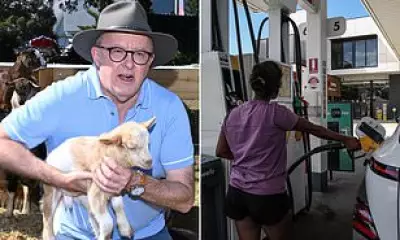
As the BBC prepares for this leadership transition, public opinion remains a critical factor. In a recent poll, readers were asked whether Matt Brittin can successfully restore trust to the BBC. This follows a previous poll where Mail readers were questioned on whether middle-class families should subsidise an energy bailout for those on benefits.
Out of more than 37,000 votes in that poll, an overwhelming 96 percent responded 'no', while only 4 percent said 'yes'. This highlights the divisive nature of public sentiment on various issues, which the new director-general will need to navigate as he works to rebuild the BBC's credibility and public trust.