BBC Director General Confronts 'Full-On Crisis' of Public Trust
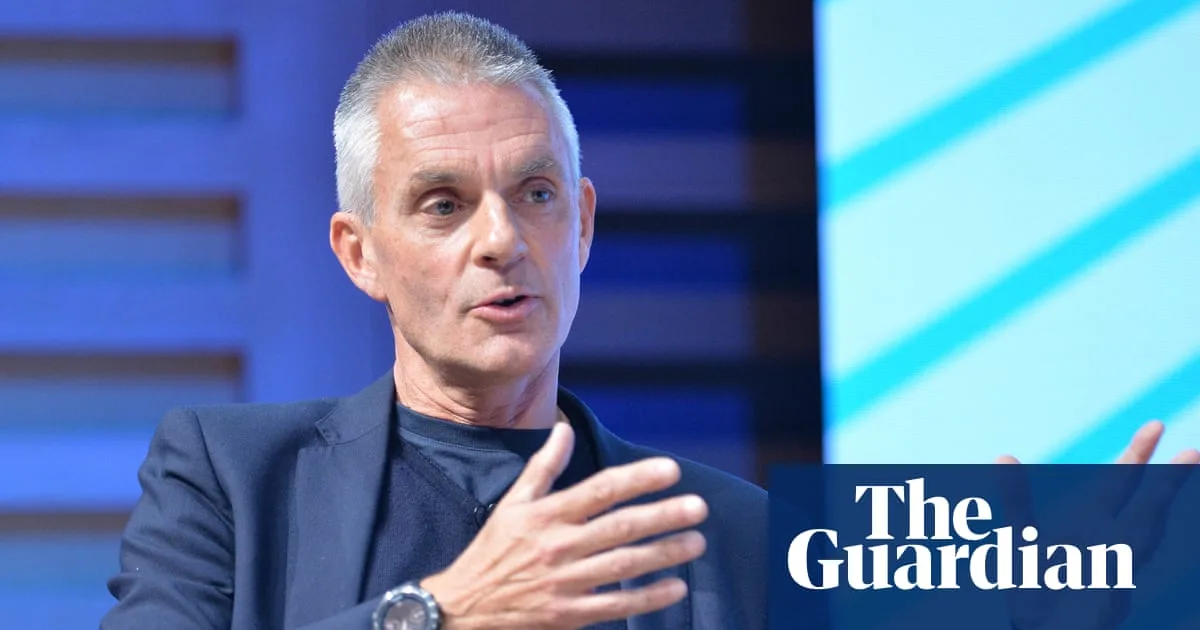
BBC director general Tim Davie has starkly admitted that the broadcaster possesses no automatic right to exist unless it can convincingly demonstrate its value to the public. This declaration comes as he acknowledges that public trust in the institution is currently in a state of "full-on crisis."
A Candid Conversation on The Rest Is Entertainment Podcast
Speaking to hosts Richard Osman and Marina Hyde, the 58-year-old executive opened up about the challenges facing the BBC, including the contentious licence fee. Davie expressed his belief that the fee model is "worth fighting for," despite conceding to significant past errors in its application.
"We have a crisis. It is - we should call it - a full-on crisis that people do not trust too many of our institutions," Davie stated. He elaborated that trust is fundamentally built when the public believes an institution is acting in their interest and genuinely listens to them. For a traditional broadcaster, failure to be seen as listening and acting in the public interest creates a profound problem.
Defending the Licence Fee Amidst Controversial Rise
Davie defended the licence fee system, even as it is set to increase by £5.50 to £180 per year from April. He argued that if the BBC can deliver clear value for every household, the model where everyone contributes fairly remains valid and potentially "enlightened" for the future.
However, he did acknowledge a major mistake: placing the cost of the World Service onto the licence fee payer. "You're not going to do the World Service without government funding, and do I think it was a mistake to put it on the BBC licence fee payer? Absolutely," he said.
Addressing Past Mistakes and Impartiality Scandals
The director general, who is due to step down in April, also addressed other "serious mistakes" made by the broadcaster. This likely alludes to the Panorama documentary controversy that led to his and the head of BBC News's resignations in November. The resignations followed accusations of "serious and systemic" bias in coverage of topics including Donald Trump, Gaza, and trans rights, stemming from an edited Trump speech in a Panorama episode.
"We've made mistakes, sometimes serious mistakes, which we regret..." Davie admitted, highlighting the ongoing struggle to maintain public confidence.
Public and Political Backlash Over Fee Increase
The government-confirmed licence fee rise to £180 has sparked significant public and political fury. The 3.12% increase, calculated using CPI inflation data, has been criticised as indefensible by figures like Reform UK MP Lee Anderson, who called the BBC "institutionally biased" and "unsustainable."
Senior Conservative MP Nigel Huddleston questioned the justification for any rise given ongoing concerns over the BBC's impartiality and governance. The TaxPayers' Alliance also condemned the increase, noting the broadcaster's recent controversies.
Comparing Costs with Streaming Giants
The new £180 annual fee now exceeds the base annual cost of major streaming services. For comparison:
- Netflix's Standard with Ads plan costs approximately £71.88 per year.
- Amazon Prime Video is £95 annually as part of a subscription.
- Disney+'s Standard with Ads tier is about £71.88 per year.
The combined cheapest annual cost for all three streaming services is £238.76, only £58.76 more than the BBC licence fee, raising questions about perceived value.
Financial Pressures and the Future of Funding
The BBC faces mounting financial pressure. It lost over £1 billion last year as a record one in eight households refused to pay the licence fee. The number of licences purchased fell from 24.1 million to 23.8 million in 2024/25, eroding income in real terms.
Despite the rise, Downing Street denied the BBC was being "rewarded for failure," with the Prime Minister's spokesman emphasising the government's commitment to driving down the cost of living through other measures. The Department for Culture, Media and Sport stated the increase provides "stable financial footing" as required by the 2022 settlement, with another rise planned for 2027.
Enforcement and the Digital Challenge
Reports suggest the BBC is exploring ways to use iPlayer account data—which requires an email, date of birth, and postcode—to identify households accessing content without a licence. This could link up to 40 million online accounts to home addresses for enforcement purposes. Failure to pay can result in a £1,000 fine, though prosecutions have recently declined.
A BBC spokesperson reiterated that the licence fee ensures financial stability to deliver trusted news and content, while welcoming the ongoing government consultation on future funding models beyond 2027. The broadcaster's very existence, as Davie's remarks underscore, now hinges on its ability to rebuild the public trust it admits is in crisis.