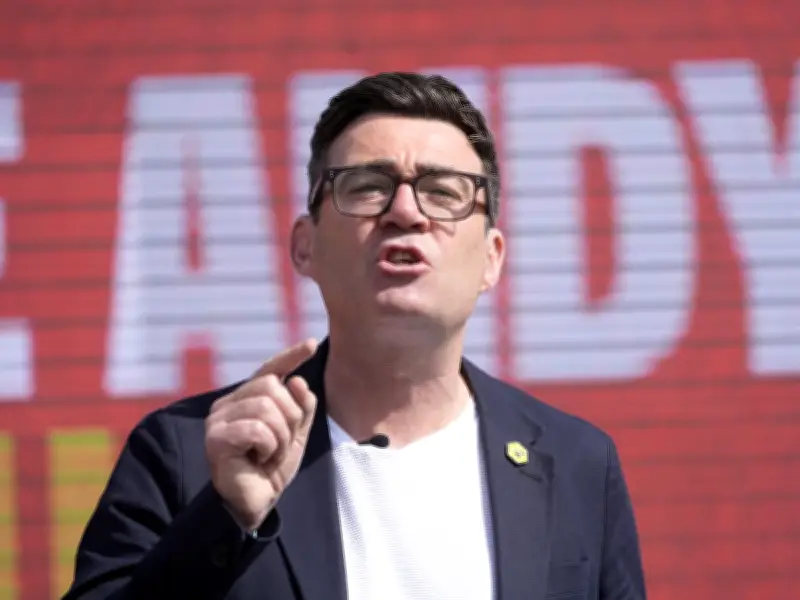
Andy Burnham is set to become the next Prime Minister of the United Kingdom after his return to Parliament by winning the Makerfield seat in a by-election last month. Following Sir Keir Starmer's resignation shortly after Burnham's victory, the new MP faced minimal opposition in his leadership bid, securing 369 nominations from fellow MPs and endorsements from Labour-affiliated trade unions.
Transition to Power
The former mayor will be announced as the new Labour Party leader at a special conference on Friday, July 17, and will officially become Prime Minister three days later, on Monday, July 20. As Prime Minister, Burnham will hold the sole power to dissolve Parliament and call a general election. The last general election was held on July 4, 2024, meaning the next election must occur no later than August 15, 2029, unless called earlier.
No Snap Election
Burnham has pledged to continue Labour's work on the manifesto on which Sir Keir Starmer was elected. During an 'Ask Me Anything' session on Reddit, Burnham responded to a user asking about a potential snap election: "No. As I said in my speech on Monday, I'm going to work to the 2024 manifesto." This commitment comes despite historical precedents where prime ministers called early elections. In 2017, Theresa May called a snap election two years after the previous election, losing the Conservatives' majority. In 2019, Boris Johnson called another snap election, winning a sweeping victory with 48 extra seats.
Labour's Landslide
At the 2024 general election, Sir Keir Starmer's Labour Party won a landslide victory, securing 412 seats in Parliament. Burnham's leadership bid received overwhelming support, with 369 nominations from his peers and backing from Labour-affiliated trade unions. He will formally become Prime Minister on July 20, with the power to dissolve Parliament and call a general election at a time of his choosing, though he has ruled out an early election.