Albanese's Pragmatic Approach to Trump's Iran Fury Puts Australia at Risk
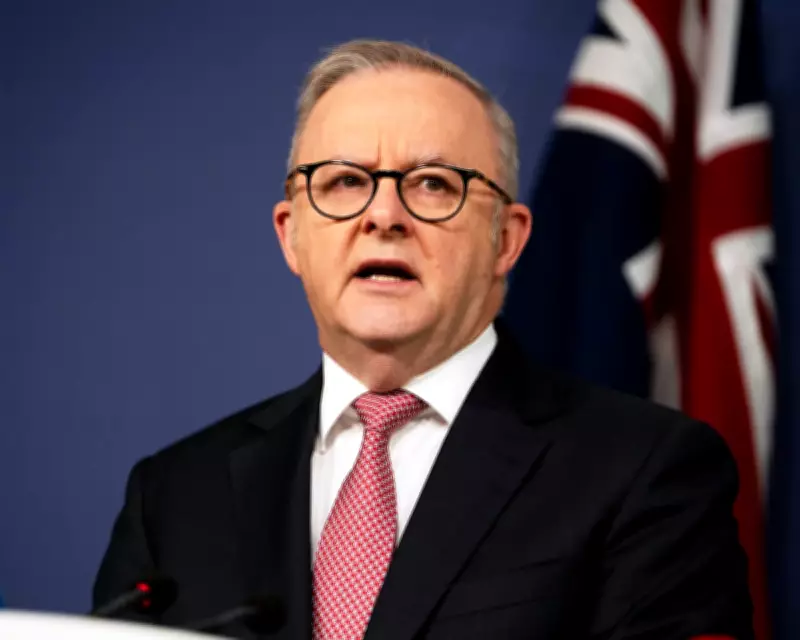
Prime Minister Anthony Albanese's endorsement of actions that potentially violate international law stands in stark opposition to the foundational principles upheld by the Labor Party two decades ago. This pragmatic stance, amid Donald Trump's aggressive foreign policy, risks drawing Australia into a precarious global conflict, echoing past military misadventures.
The Fragility of the Global Rules-Based Order
Liberal MP and SAS veteran Andrew Hastie has aptly described the current state of international affairs, noting that anyone believing in a functional rules-based order is living in fantasyland. This sentiment is reinforced by Mark Carney's viral Davos speech, where he declared that nostalgia is not a strategy and highlighted the breakdown of global systems designed post-World War II to prevent large-scale conflicts.
As a former foreign correspondent, I have witnessed firsthand how societal structures can rapidly disintegrate during crises, with law and order collapsing as power and communications fail. Today, this breakdown is occurring on a macro scale globally, with trust eroding and boundaries being breached, leaving middle powers like Australia in a vulnerable position.

Historical Context and Labor's Shifting Principles
In 2003, then Labor opposition leader Simon Crean condemned the Iraq war as illegal, unnecessary, and unjust, a stance later validated by history as the conflict was based on false premises. Current Defence Minister Richard Marles has expressed support for Crean's position, emphasising the gravity of decisions regarding armed conflict.
However, Albanese's rapid alignment with US actions against Iran, despite careful wording to avoid direct involvement, marks a significant departure from these principles. The prime minister's statement, crafted in collaboration with Marles and Foreign Affairs Minister Penny Wong, supports US efforts to prevent Iran from obtaining nuclear weapons and threatening international peace, yet it sidesteps legal and ethical scrutiny.
International Law and Moral Justifications
Allen Weiner, an international law expert from Stanford Law, argues that Trump's justification for attacking Iran—citing moral grievances and historical conflicts—does not meet legal standards. International law explicitly prohibits preemptive just in case strikes without an explicit threat, rendering such actions illegal under current frameworks.
While the Iranian regime's behaviour is indefensible, Weiner stresses that general dangers or future possibilities are insufficient grounds for military intervention, highlighting the erosion of accountability in global affairs.
The Domestic Political Landscape
Albanese finds himself in an invidious position, balancing international alliances with domestic political pressures. Historically, early anti-war sentiment, as seen in 2003, can shift to public support once conflicts begin, only to wane later. Crean's loss of leadership amid accusations of weakness and unpatriotism serves as a cautionary tale for Albanese, who aims to avoid a similar domestic epic fail by adopting a pragmatic approach that prioritises political survival over strict adherence to principle.
In this era of political pragmatism, Australia's alignment with a rogue US administration under Trump poses significant risks, including mission creep and unintended consequences, as evidenced by past failures in Iraq and Afghanistan. The need for a strategic Plan B is urgent, yet the path forward remains uncertain in a world where might often supersedes right.