Albanese Government's Landmark Security Legislation Passes Parliament
The Albanese government has successfully navigated two significant pieces of security legislation through Parliament, with both the gun reform package and the anti-hate speech bill now becoming law. This legislative push comes in direct response to the tragic Bondi Beach terror attack that shocked the nation earlier this year.
Anti-Hate Speech Measures Target Extremist Influence
The newly passed anti-hate speech legislation represents a concerted effort to curb the growing influence of hate preachers and neo-Nazi organisations within Australian society. Home Affairs Minister Tony Burke emphasised the connection between extremist ideology and violence, stating that the perpetrators of the December 14 attack had 'hate in their hearts and guns in their hands'.
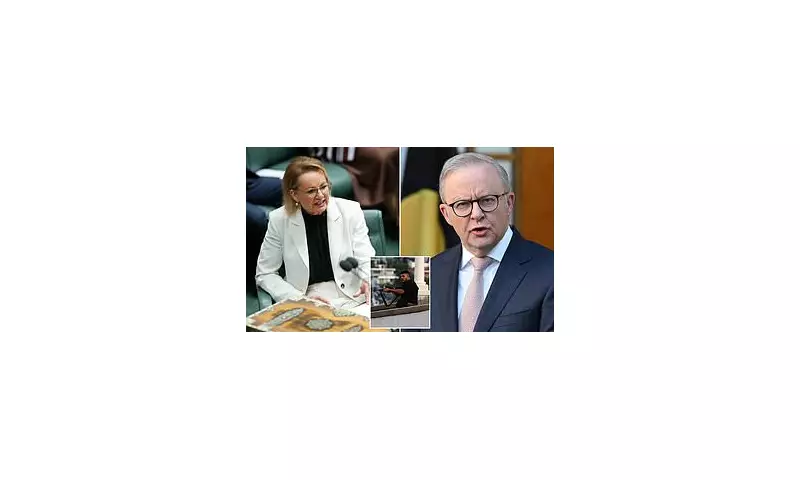
Despite internal divisions within the Coalition, the government secured the necessary numbers to pass the bill through the Senate late on Tuesday night. Opposition Leader Sussan Ley successfully negotiated several technical amendments that were accepted by the government, including tightening the definition of a hate preacher and establishing stricter parliamentary oversight mechanisms.

Gun Reform Package Closes 'Dangerous Loopholes'
Earlier on Tuesday evening, hastily drafted legislation enabling a national gun buyback scheme and strengthening background checks passed the Senate with Greens support. The reforms specifically address vulnerabilities exposed by the Bondi attack, with Minister Burke asserting that under the new measures, the father-and-son gunmen would have been unable to obtain firearms.
The key provisions include:
- Incorporating ASIO and ACIC intelligence assessments into gun licence background checks
- Tightening importation rules for high-rate-of-fire straight-pull rifles and shotguns
- Establishing a national firearms buyback scheme
Gun control advocacy group the Alannah and Madeline Foundation welcomed the changes, describing them as closing 'long-standing and dangerous loopholes' in Australia's firearms regulations.
Political Divisions and Implementation Concerns
The legislation has exposed significant political divisions, with the Greens expressing concerns about the anti-hate speech bill's potential impact on political commentary and protests. Greens leader Larissa Waters warned that 'a dangerous bill' had been made 'even more dangerous' through recent amendments.
Meanwhile, Nationals leader David Littleproud criticised the gun reforms as a 'cheap political diversion' from addressing religious extremism, while Nationals Senator Bridget McKenzie presented petitions containing 65,000 signatures opposing the legislation.
Implementation questions remain, particularly regarding the gun buyback scheme. Greens Senator David Shoebridge called for government assurances that 'fair value will be paid' to ensure the scheme's effectiveness, while shadow attorney-general Andrew Wallace criticised funding arrangements that require states and territories to contribute half the costs.
Balancing Security and Civil Liberties
Prime Minister Anthony Albanese acknowledged that the anti-hate speech legislation represented a compromise, stating it wasn't as strong as the government would have preferred but needed modification to secure parliamentary support. He framed the legislation as upholding 'the Australian covenant' that prejudice and hate should be left at the border.
Independent MP Helen Haines, representing the regional Victorian seat of Indi, offered support for the reforms, emphasising that they 'did not target farmers, sporting shooters or other law-abiding gun owners'.
The legislation grants the government enhanced powers to outlaw hardline extremist groups, likely affecting organisations such as the National Socialist Network and Hizb ut-Tahrir, while strengthening the home affairs minister's ability to cancel or deny visas based on extremist ideology expression.