London's Al Quds March Banned, Static Protest to Proceed Amid Security Fears
Al Quds March Banned in London, Static Protest to Go Ahead

London's Al Quds Day March Banned Over Public Disorder Concerns

The Home Secretary has approved a Metropolitan Police request to prohibit the annual Al Quds Day march in London this Sunday, citing the need to prevent serious public disorder. This marks the first time a protest march has been banned since 2012, with organisers now confirming a static demonstration will proceed instead.

Organisers Condemn Decision as Politically Motivated

A spokesperson for the Islamic Human Rights Commission (IHRC), which organises the event, strongly condemned the Metropolitan Police's decision. 'IHRC strongly condemns the decision by the Metropolitan Police to ban the Al Quds Day March,' the statement read. 'However, a static Al Quds Day protest will still go ahead. We hope to see you on Sunday 15th March InshaAllah.'

The IHRC accused the police of abandoning their principle of policing without fear or favour, claiming they had capitulated to pressure from what they termed 'the Zionist lobby.' The organisation insisted the demonstration has always been good natured and peaceful over its forty-year history, and announced they are seeking legal advice to challenge the ban.

Government Cites Multiple Security Threats

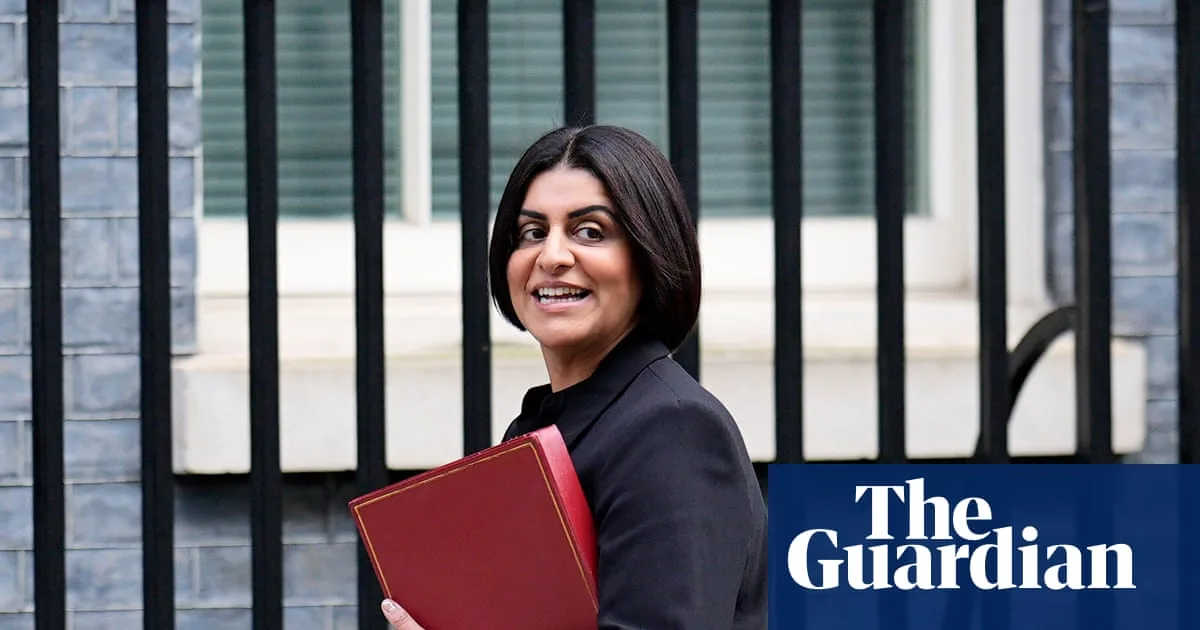
Home Secretary Shabana Mahmood announced her decision yesterday, stating she was satisfied the ban was necessary 'to prevent serious public disorder, due to the scale of the protest and multiple counter-protests, in the context of the ongoing conflict in the Middle East.' She added that should a stationary demonstration proceed, police would apply strict conditions and expected 'the full force of the law applied to anyone spreading hatred and division.'

The Metropolitan Police explained their decision was based on a risk assessment of this specific protest and counter-protests, noting previous Al Quds Day marches have resulted in arrests for supporting terrorist organisations and antisemitic hate crimes. They described the international situation as uniquely complex with severe risks that meant merely placing conditions on the protest would not be sufficient.

Policing Challenges and Political Pressure

Former Met chief superintendent Dal Babu described the policing situation as 'extremely challenging,' noting multiple groups planning demonstrations and counter-demonstrations. 'The last time we had a ban was in 2012, so this is a very, very serious decision,' he told BBC Radio 4's Today programme, adding that it would have been based on police intelligence.

The decision follows calls from both Labour and Conservative MPs to ban the march. Courts minister Sarah Sackman stated people expressing support for 'the malign regime in Iran' should not be 'on the streets of London calling for hate and hostility against this country.' Shadow Home Office minister Alicia Kearns similarly called for cancellation, saying there was 'no place in our country for the celebration of terrorists.'

Controversial Background and Reactions

The march had drawn criticism over apparent backing for the Iranian regime after organisers expressed support for the country's late leader Ayatollah Ali Khamenei. Following his death last month, the IHRC described Khamenei as 'a rare role model' who would be 'mourned by freedom loving people all over the world.'

Faisal Bodi, a spokesman for the IHRC, told the BBC it was 'a sad day for freedom of expression, freedom of assembly and the right of people to legitimately protest about issues they feel strongly about.' Meanwhile, the Campaign Against Antisemitism welcomed the ban as 'a positive development,' stating that allowing the march would have sent the message that 'Islamists rule the roost in Britain.'

The Metropolitan Police confirmed they will place strict conditions on any static protest, which the law does not allow them to ban outright, but acknowledged that given the tensions, confrontations could still take place despite these measures.