London Al-Quds Day March Banned Amid Middle East Conflict, Static Rally Permitted
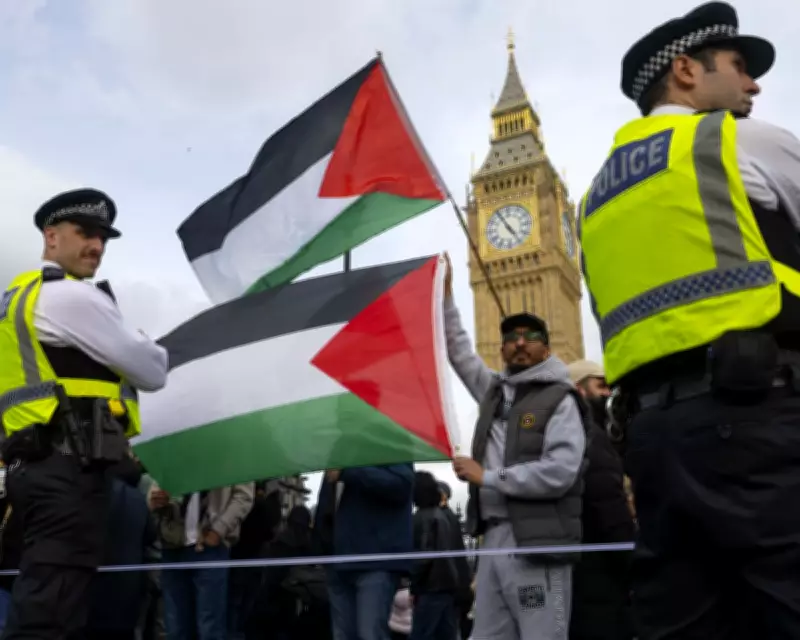
The Home Secretary, Shabana Mahmood, has imposed a ban on the traditional Al-Quds Day march in London for 2024, citing the ongoing conflict in the Middle East as a primary reason. Instead, organisers have been granted permission to hold a two-hour static rally on the south bank of the Thames, scheduled between 1pm and 3pm on Sunday. This decision marks a significant shift from previous years, where the march has proceeded peacefully for four decades.
Police Issue Stern Warning to Protesters
The Metropolitan Police have issued a clear warning to demonstrators ahead of the Al-Quds Day rally, stating that individuals expressing support for Palestine Action or engaging in intifada chants will face immediate arrest. Ade Adelekan, a Deputy Assistant Commissioner and lead on public order, emphasised that officers will act decisively against any placards, flags, or chants that cross into hate crime or support for proscribed organisations. He noted, "We know these words have consequences," referring to chants calling for intifada, which some Jewish groups interpret as incitement to violence.
Background and Controversy Surrounding the Event
Al-Quds Day, named after the Arabic term for Jerusalem, was established by Ayatollah Ruhollah Khomeini following Iran's 1979 revolution. It serves as an international demonstration of support for Palestinian rights, typically attracting around 12,000 participants in London. The event has historically been organised by a committee that includes the Islamic Human Rights Commission (IHRC), which recently condemned the killing of Iran's supreme leader, Ayatollah Ali Khamenei, praising his resistance to oppression.

Previous marches have sparked controversy, with some participants displaying flags linked to Hezbollah—a group classified as a terrorist organisation by the UK government—and chanting calls for the death of Israel and the US. In response, the IHRC has warned demonstrators that flying flags of proscribed groups could lead to arrest.
Legal and Security Considerations
Mahmood justified the ban by stating it was "necessary to prevent serious public disorder" due to the scale of the protest and planned counterprotests on the north bank of the Thames. The Metropolitan Police described this as a "limited and specific ban" applicable only to Al-Quds Day events and any counterdemonstrations, effective for one month. They argued that a static protest would be easier to police and reduce the risk of clashes between opposing groups.
Notably, the high court ruled last month that the government's proscription of Palestine Action was unlawful, though it remains banned pending an appeal by the Home Office. Adelekan stressed that the decision to ban the march was not taken lightly, highlighting it as a unique circumstance with severe public disorder risks. He assured that this does not set a precedent, as the force has not requested such a ban since 2012 and will assess each protest individually.
Enhanced Police Presence and Future Implications
Despite the ban, police anticipate a challenging weekend and have deployed resources from across the country to maintain order. A visible police presence will be maintained around places of worship, community venues, and embassies. Adelekan reiterated that anyone attempting to march or incite others to do so will be arrested, underscoring the force's commitment to public safety amid heightened tensions.