London's Al-Quds Day March Banned Over Public Disorder Fears
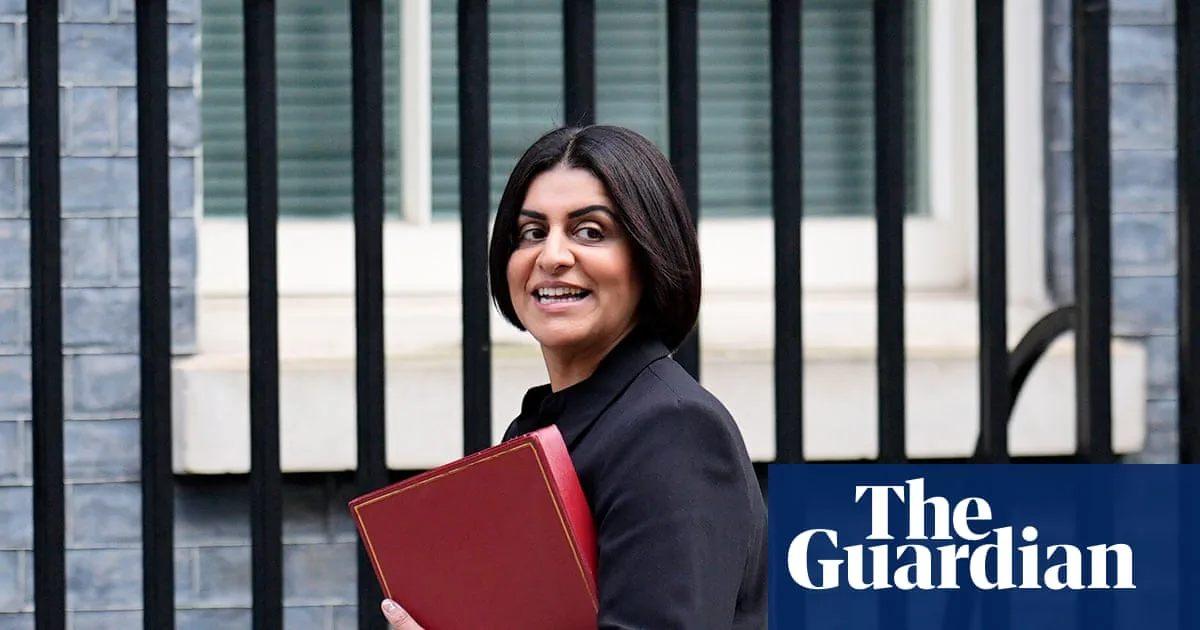
In a significant move, the Home Secretary, Shabana Mahmood, has banned the annual Al-Quds Day march in London, scheduled for Sunday. This decision marks the first prohibition of a protest march since 2012, following a request from the Metropolitan Police due to concerns over serious public disorder.
Background of the Al-Quds Day March
Al-Quds Day was established by Ayatollah Ruhollah Khomeini after Iran's 1979 revolution, with "Al-Quds" being the Arabic term for Jerusalem. The event is promoted as an international day in support of Palestinian rights, typically held on the last Friday of Ramadan. In London, it has been organised for over four decades by the UK Al-Quds Committee, with the Islamic Human Rights Commission (IHRC) playing a central role. Organisers assert that the march has historically been peaceful, aiming to highlight the ongoing struggles of Palestinians in Gaza and the West Bank.
Reasons for the Ban
The ban was announced after the Metropolitan Police expressed fears of large-scale protests and counterprotests, exacerbated by the ongoing conflict in the Middle East. Home Secretary Mahmood stated she was "satisfied doing so is necessary to prevent serious public disorder," citing the expected high turnout and multiple counterdemonstrations. The police highlighted heightened tensions linked to the war involving Iran, as well as security concerns about alleged Iranian state activities in the UK, including recent arrests of individuals suspected of spying on Jewish communities.
Additionally, the march has faced criticism in the past for instances where participants waved flags of Hezbollah, a banned terrorist organisation in the UK, and chanted rhetoric against America and Israel. The IHRC has previously warned demonstrators against such actions, noting that displaying flags of proscribed groups or chanting in support could lead to arrests.
Political and Public Reactions
Calls to ban the march intensified after comments by Courts Minister Sarah Sackman, who described expressions of support for Iran's regime as "thoroughly anti-British" and urged police action. In response, the IHRC condemned the ban as part of an "Islamophobic hate campaign," asserting that the march has been falsely accused of antisemitism and terrorism support. The group confirmed plans for a static protest on Sunday and is seeking legal advice, arguing that police have abandoned principles of impartial policing.
The Metropolitan Police emphasised that the threshold for banning a protest is high, and this decision was not taken lightly. A spokesperson noted, "This is the first time we have used this power since 2012," based on assessments of serious public disorder risks. The ban will be in effect for one month from March 11, covering both the march and any counterprotests.
Historical Context and Safety Concerns
The IHRC referenced a 2017 incident where convicted terrorist Darren Osborne attempted to attack the march but was thwarted by police cordons, later targeting a mosque instead. This underscores ongoing safety concerns, with organisers calling for measures to protect attendees from potential violence. The Home Secretary has stated that if a stationary demonstration proceeds, police will impose strict conditions and enforce laws against hatred and division.
This ban reflects broader tensions in UK politics and society, balancing rights to peaceful protest with security imperatives amid international conflicts.