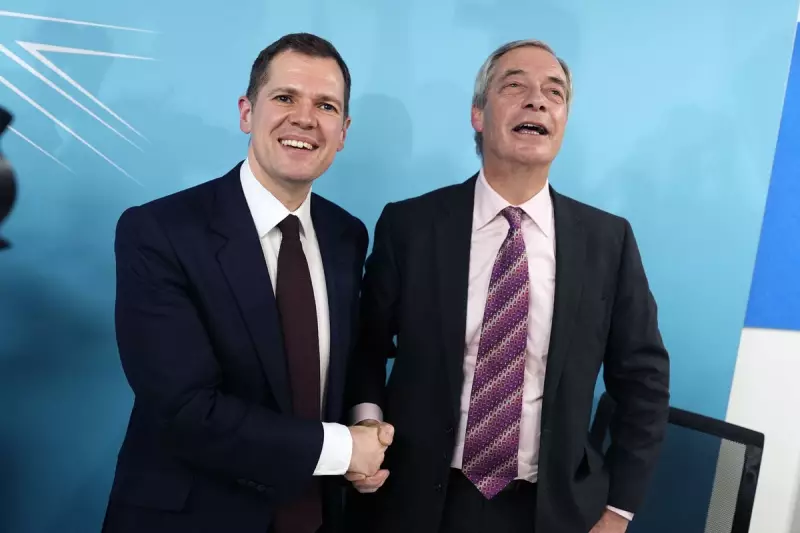
The Conservative Party has drawn up an internal 'defection watch list' containing the names of eleven of its own Members of Parliament. This drastic step comes in direct response to the dramatic departure of former minister Robert Jenrick to Nigel Farage's Reform UK party.
Leadership Accusations and a Growing Crisis
The political landscape was shaken when Kemi Badenoch, the Tory leader, expelled Mr Jenrick from her shadow cabinet. She publicly branded him a 'liar' and accused him of seeking to 'burn the Conservative Party to the ground'. This incendiary language underscores the profound alarm at the highest levels of the party.
The watch list, obtained by The Independent, features several prominent and sometimes controversial figures from the party's right wing. The most notable names include former Home Secretary Suella Braverman, veteran backbencher Sir John Hayes, and minister Esther McVey.

The full roster of MPs under scrutiny is:
- Suella Braverman
- Sir John Hayes
- Esther McVey
- Mark Francois
- Andrew Rosindell
- Sir Desmond Swayne
- Katie Lam
- Bradley Thomas
- Lewis Cocking
- Matt Vickers
- Joy Morrissey
Farage's Deadline and Tory Fears
Adding intense pressure to the situation, Nigel Farage has set a firm deadline for any other Conservatives considering a switch. He has declared that potential defectors must join Reform UK by 7 May 2026 if they wish to be part of his movement's immediate plans.
While many of the MPs named on the list have denied any intention to leave the Conservatives, senior party insiders remain deeply concerned. One source admitted that the true number of MPs potentially wavering could be more than twenty, a scenario described as potentially 'game over' for the party's electoral prospects.
What This Means for the Conservative Party
The creation of a formal watch list is an unprecedented move that reveals a party in defensive crisis management. It signals a fear that Jenrick's departure may not be an isolated incident, but the start of a damaging exodus. The internal focus is now squarely on preventing further high-profile defections that could fatally undermine party unity and voter confidence ahead of the next general election.
The coming weeks, leading up to Farage's May deadline, will be critical. The Conservative leadership faces the dual challenge of managing internal dissent while presenting a united front to the public, a task made exponentially harder by the public airing of its defection anxieties.