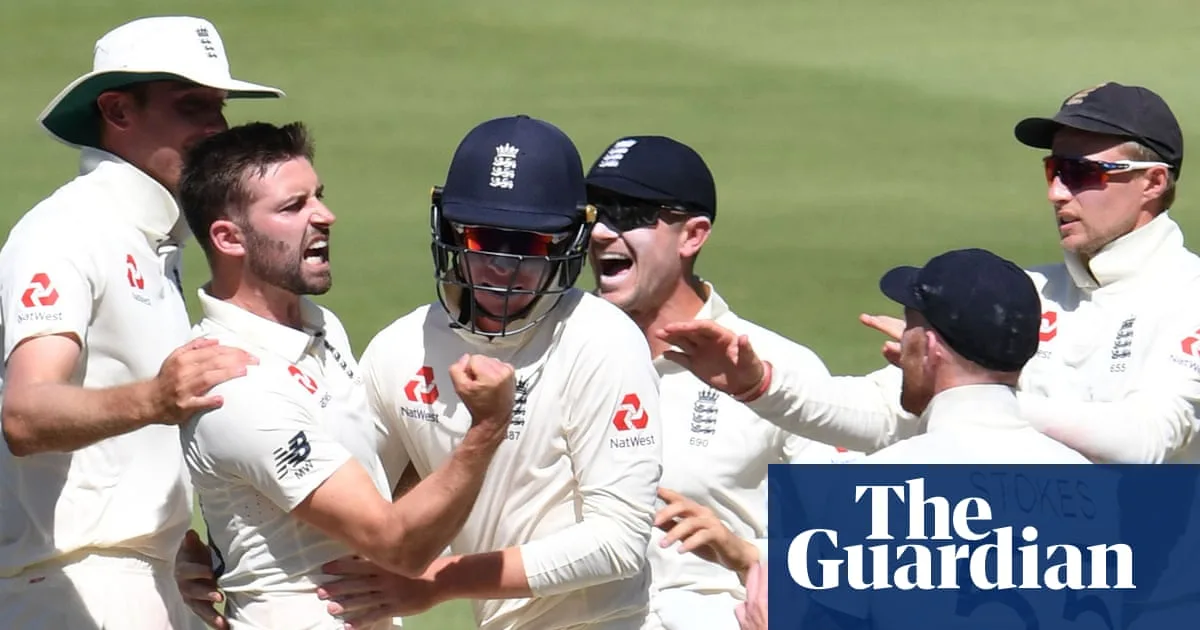
Cricket South Africa has yet to secure a UK television rights deal for England’s marquee Test series next winter, with Sky Sports declining an offer to renew a long-term contract that expired last year. Sky’s reluctance to extend a relationship spanning more than 30 years has left CSA searching for alternative broadcast partners to ensure the three Tests over Christmas and three one-day internationals in January are televised in the UK.
Sky's decision is surprising given that South Africa also hosts Australia in a three-Test series in October, in a time zone convenient for British audiences. It reflects the dwindling value of bilateral international cricket. TNT Sports, which has previously bought rights rejected by Sky—including last winter’s Ashes and series in India and Pakistan—is unable to commit at present due to budget pressures and uncertainty over its long-term ownership. A $110bn deal for Paramount Skydance to buy parent company Warner Bros Discovery is yet to be approved by US regulators, leaving TNT in a holding pattern.
Sources at TNT indicate interest in England’s South Africa series but say it cannot offer the £8m rights fee paid to Cricket Australia for last winter’s Ashes, which itself was far below the host board’s initial £20m asking price. While the South Africa series is not a priority for Sky now, it could revisit airing coverage nearer the time.

In another sign of falling cricket rights value, Cricket Australia is yet to secure a UK rights partner for its next domestic season, despite England touring for three ODIs and five T20s in November, followed by the 150th anniversary Test in Melbourne in March 2027. Sky has broadcast every England Test series in South Africa since 1995-96 but has increasingly moved away from overseas tours, except for ICC events. The scheduling over the busy Christmas period is challenging for broadcasters, with Sky heavily invested in the PDC World Darts Championship and extensive Premier League and EFL football coverage.